A cracked driveway, loose patio slabs and weeds pushing through tired paving can make the front of a property look neglected long before anyone reaches the door. Resin surfacing offers a cleaner, more considered alternative, but the right result depends on far more than choosing a colour from a sample board. This resin surfacing for homeowners guide explains what to look for before committing to a new driveway, path, patio or courtyard.
For homeowners across Belfast and Northern Ireland, resin is often chosen for its strong kerb appeal, tidy finish and low-maintenance qualities. It can transform an awkward entrance or worn outdoor area into a surface that feels designed for the property rather than added as an afterthought. Yet resin is not one single product. The system, the sub-base and the installer’s preparation all affect how the surface performs over time.
Why homeowners choose resin surfacing
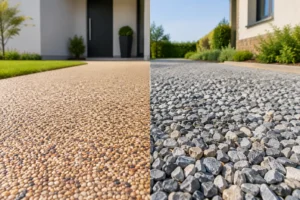
A professionally installed resin surface combines natural aggregate with a specialist resin system. The finished appearance is refined but practical: small stones create texture, while the resin holds them in place. There is a wide choice of aggregate blends, from warm golden tones for traditional homes to contemporary silver, charcoal and mixed finishes for modern properties.
The visual improvement is immediate, but performance matters just as much. A correctly specified resin surface does not have the loose stones associated with standard gravel, and it avoids the constant joint maintenance of block paving. It is comfortable underfoot, easy to sweep and suitable for driveways, walkways, patios and front gardens.
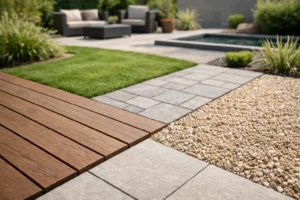
Resin also gives homeowners more control over the finished design. Contrasting borders can define parking bays or paths, while carefully selected blends can complement brickwork, render, windows and garden features. The best projects consider the whole exterior, including steps, edging, drainage channels and entrances, rather than treating the driveway as an isolated patch of ground.
Resin bound or resin bonded: the difference matters
The first decision is whether resin bound or resin bonded surfacing is the right option. Although the names sound similar, the finished surface and installation method are very different.
Resin bound surfacing
Resin bound surfacing is made by thoroughly mixing dried aggregate with resin before it is laid and hand-trowelled across the prepared base. The stones are coated throughout, producing a smooth, level surface with a natural stone texture. When installed over a suitable permeable base, water can drain through the surface rather than sitting on top.
This is usually the preferred option for homeowners seeking a premium driveway, patio or pathway finish. It is particularly effective where drainage is a concern, as a permeable system can help manage rainfall at source. The surface is also barefoot-friendly for patio areas, although it still has enough texture to provide grip.
Resin bonded surfacing
Resin bonded surfacing is created by applying resin to a sound base and scattering aggregate onto it. The top layer of stone remains more pronounced, giving a textured, loose-stone appearance while the resin anchors the aggregate below.
It is a useful decorative option for some applications, especially where a stronger textured finish is wanted. However, it is generally non-permeable, so drainage needs separate consideration. It can also lose a small amount of excess aggregate in the early period after installation. A specialist should explain which system suits the location, traffic levels and desired finish rather than offering one solution for every project.
The base beneath the resin decides the lifespan
The most attractive aggregate blend will not compensate for a weak, cracked or moving base. Surface preparation is where quality workmanship becomes visible in the years after installation, even if it is hidden on day one.
Resin bound surfacing needs a stable, properly prepared base, commonly porous asphalt or suitable concrete depending on the system. The base must be clean, dry, level and free from movement. Any drainage falls, thresholds, gullies and edging should be planned before resin is laid, not improvised afterwards.
Homeowners sometimes ask whether resin can simply be installed over an existing driveway. The answer is: sometimes, but only if the existing surface is structurally sound. A tired tarmac drive may be a suitable starting point if it has no significant cracks, sinking or instability. Broken concrete, loose block paving and failed sub-bases usually need repair or replacement first.
This is also the point to assess how vehicles use the space. A driveway for one family car has different demands from an entrance used by vans, frequent turning vehicles or heavy deliveries. If the base and resin depth are not designed for the actual load, cracking and movement can follow. Saving money on groundwork often creates the most expensive problem later.
Drainage and planning should be considered early
Northern Ireland’s wet weather makes drainage a central part of any external surfacing decision. Standing water is inconvenient, can encourage slippery conditions in winter and may place unnecessary pressure on nearby drainage routes.
A permeable resin bound system installed over an appropriate porous base allows water to pass through the surface and drain naturally below. This can be a major advantage for domestic driveways and front gardens. However, permeability only works as a complete system. Installing permeable resin over an impermeable, poorly draining base will not produce the intended result.
Planning requirements can vary with the scope of work, the drainage arrangement and the property location. A professional site survey should identify whether existing water is being directed towards the house, a neighbour’s land or the public pavement. The right solution may include falls, drainage channels, a permeable build-up or a combination of measures.
Choosing colours and details that will still look right later
A resin driveway should improve the character of the property, not compete with it. Lighter blends can brighten a shaded entrance and suit red brick or traditional stone. Grey, black and silver mixes give a crisp contemporary look and can work well with modern render, dark frames and slate features. Multi-tonal blends are often practical because they disguise everyday dust and tyre marks better than a very pale or single-colour finish.
Borders are worth considering where the driveway meets a lawn, wall, path or garage. A darker edge can make the whole area feel more defined, while a contrasting aggregate can guide visitors towards a door or separate parking from planting. For larger courtyards and patios, curves, panels and patterns can add interest without sacrificing a clean overall design.
Ask to see physical samples in natural daylight. Aggregate can look dramatically different outside compared with a photograph or indoor showroom lighting. It is also sensible to view the sample beside existing brickwork, roof tiles and gates before making a final choice.
What affects the price of a resin driveway or patio?
There is no useful one-size-fits-all price for resin surfacing. The area in square metres is only one part of the cost. Ground excavation, new sub-base work, drainage, edging, access for machinery, shape complexity and repairs to existing tarmac or concrete can all influence the quotation.
A simple rectangular patio on a sound base is usually more straightforward than a sloping driveway with multiple levels, drains and curved borders. Small areas can also cost more per square metre because mobilisation, preparation and finishing work remain necessary regardless of size.
Be cautious of quotations that focus only on a low headline rate. Ask what is included: removal of old materials, base preparation, resin and aggregate specification, edging, drainage work, waste disposal and any finishing details. A clear written scope protects the homeowner and gives a fairer basis for comparing installers.
Aftercare: simple, but not no-care
One of resin’s strongest advantages is that it does not demand the regular weeding and re-sanding associated with many paved surfaces. Even so, a resin surface benefits from sensible care. Sweep away leaves, soil and organic debris before they break down and stain the surface. A gentle clean with water and a suitable cleaner will usually keep the aggregate looking fresh.
Avoid harsh solvents, aggressive pressure washing and products that are not recommended for resin. Remove oil spills promptly, and take care when using ladders, skips or sharp metal furniture that could mark the finish. In winter, use an appropriate de-icing treatment rather than relying on rock salt without checking its suitability for the installed system.
A few weeds may occasionally appear from windblown seeds or at an edge. This does not mean weeds are growing through the resin. Prompt removal and good edge detailing will keep the surface neat.
Questions to ask before appointing an installer
Before agreeing to a project, establish which resin system is being proposed, what base work is required and how drainage will be managed. Ask how the aggregate is stored and dried, as moisture can compromise a resin bound installation. Confirm the expected curing period before foot traffic and vehicle use, particularly if the work is scheduled around family routines or access needs.
It is also reasonable to ask about previous local projects, warranty arrangements and the products being used. Recognised systems and experienced installation matter because resin surfacing is a specialist trade, not simply a landscaping add-on. Surface King combines resin product knowledge with professional installation, helping homeowners make decisions on design, base construction and long-term performance from the outset.
The right resin surface should make daily life easier as well as make the property look sharper. Start with an honest assessment of the ground beneath it, choose a system that suits how the area is used, and give drainage the attention it deserves. That is how a driveway, patio or path becomes a lasting improvement rather than a short-lived cosmetic upgrade.