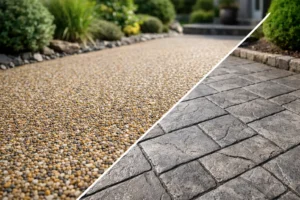
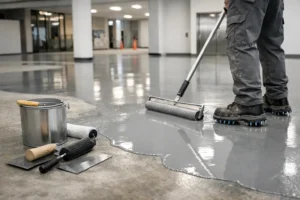
A beautiful new resin patio can transform a tired garden space, but the finished look is only as good as the surface beneath it. Knowing how to prepare patio for resurfacing means dealing with the issues that are easy to overlook: loose slabs, hidden moisture, poor falls and years of ground-in dirt. Get the preparation right and your new surface has the stable, clean foundation it needs to perform well for years.
For homeowners across Belfast and Northern Ireland, patio resurfacing is often a smarter alternative to lifting and replacing every existing slab. It can reduce disruption, refresh the whole outdoor area and create a clean, contemporary finish. However, resurfacing is not a shortcut around structural problems. Any weakness in the existing base needs to be identified and corrected before work begins.
Start by Assessing the Existing Patio
Walk the full patio in dry weather and look closely at its condition. A few small cosmetic marks may not prevent resurfacing, but movement, cracking and drainage problems demand attention. Pay particular notice to areas around doors, steps, drainage channels and garden walls, where water often collects or the base is more likely to have settled.
A sound patio should feel firm underfoot. If slabs rock, paving has dropped, or there are wide cracks through concrete, the problem may be below the visible surface. Resin systems need a stable substrate. Covering an unstable patio without addressing the cause can lead to cracks transferring through the new finish or areas beginning to fail prematurely.
Check the patio’s fall as well. Water should run away from the property and towards suitable drainage. If rain pools in the middle of the patio or sits against external walls, resurfacing alone will not solve it. Correcting levels, adding drainage or rebuilding localised sections may be necessary before the decorative finish is installed.
Clear the Patio Completely
Preparation starts with clear access. Remove furniture, planters, barbecues, storage boxes and any other items from the area. This gives the installer room to inspect every edge and produce an even finish without working around obstacles.
It is also the right time to decide what will remain in place. Fixed posts, manhole covers, air bricks and drainage points all need to be considered before resurfacing. A professional installation can incorporate neat edges, borders and access covers, but these details should be planned rather than treated as an afterthought.
Vegetation needs firm control too. Pull weeds from joints and along perimeter edges, then remove moss and algae from shaded areas. Roots growing beneath paving can cause movement, so established plants or nearby trees may need further investigation if the patio has already begun to lift or crack.
Clean Down to a Sound Surface
The existing patio must be clean, dry and free from contaminants before any repair or resurfacing system is applied. Dirt is not merely an appearance issue. Dust, oil, algae, loose sand, old paint and cleaning residues can reduce adhesion and compromise the finished surface.
Pressure washing is often the first stage, particularly on old concrete, paving or tarmac. Use it thoroughly enough to remove grime and biological growth, but avoid blasting so aggressively that you loosen weak joints or damage already-fragile slabs. Stubborn oil marks may require a suitable degreaser, while flaking paint or failed sealers should be mechanically removed rather than simply washed over.
After cleaning, allow proper drying time. Northern Ireland’s changeable weather makes this especially important. A patio that looks dry at the surface can still hold moisture in cracks, joints or porous concrete. Applying a resin system onto a damp base can affect bond strength and curing, so preparation should be scheduled around a suitable weather window rather than rushed after rainfall.
Repair Cracks, Joints and Damaged Areas
Small defects should be repaired before they become visible through a new surface. Hairline cracks in otherwise stable concrete can often be filled using an appropriate repair material. Wider cracks need more careful assessment, particularly if they show signs of ongoing movement. Simply filling them may not be enough if the sub-base is failing or water is washing out material below.
Loose paving slabs should be lifted and reset, not covered over in the hope that the new finish will hold them down. Broken slabs, crumbling concrete and soft edges need to be removed and rebuilt. The goal is a firm, consistent platform with no movement under load.
Pay close attention to joints between slabs. Open or degraded joints can allow water into the base and may create weak lines beneath the resurfacing layer. Depending on the patio and chosen system, joints may need filling, levelling or bridging as part of the preparation process. The correct method depends on whether the existing patio is concrete, paving, asphalt or another surface type.
When a Patio Needs More Than Local Repairs
There are times when resurfacing is not the right first step. If large areas have sunk, the patio is badly cracked, drainage is directing water towards the house, or the base feels soft and unstable, more extensive groundwork may be required. This may mean lifting sections, improving the sub-base, installing drainage or laying a new tarmac foundation.
That is not bad news. Rebuilding the structure where needed creates the opportunity for a patio that looks better and performs properly, rather than an attractive finish laid over an existing problem. A specialist survey will establish whether your patio is suitable for overlay or whether targeted remedial work will give the best long-term result.
Check Levels, Thresholds and Edges
Resurfacing adds height. Even a relatively thin system changes the finished level of the patio, so it is essential to measure around door thresholds, steps, drainage channels and air bricks before the work is specified. A new surface must not bridge a damp-proof course, block ventilation or leave too little clearance beneath an external door.
Edges deserve equal care. Resin patios look their best when borders, retaining edges and transitions are crisp and purposeful. Consider where the new surface will meet lawn, planting beds, walls, paths or a driveway. A contrasting resin border can frame the patio, while metal, stone or concrete edging may be needed to contain the system securely in certain layouts.
This is also the stage to consider design. The right aggregate blend can brighten a shaded courtyard, complement brickwork or create a more defined entertaining area. Colours, borders and patterns should support the garden as a whole, but performance still comes first. A visually striking finish will only stay that way when the base, drainage and detailing are right.
Choose the Right Resurfacing System
Not every resin surface is designed for the same job. Resin bound surfacing combines decorative aggregate with resin to form a smooth, hard-wearing, permeable finish when installed over a suitable permeable base. It is a popular choice for patios because it offers a clean appearance, comfortable feel underfoot and a wide choice of natural stone colours.
Resin bonded surfacing is different. Aggregate is scattered onto a resin-coated base, creating a more textured finish. It can suit certain decorative applications, but its drainage characteristics and maintenance requirements differ from resin bound systems. The best option depends on the condition of the existing patio, whether permeability is required, expected use and the drainage arrangement.
A resin installation should never be chosen on appearance alone. The quality of the resin, aggregate, primer and base preparation all affect the outcome. Surface King assesses each project as a complete system, helping homeowners choose a finish that delivers both the visual upgrade and long-lasting performance they expect.
Leave the Final Preparation to the Conditions
The final pre-installation checks happen immediately before resurfacing. The area should be clean, dry, protected from leaves and debris, and free from foot traffic. Weather matters: cold temperatures, rain and excessive humidity can influence curing times and application quality. A reputable installer will monitor conditions and reschedule if necessary rather than risk a poor result.
Keep pets, children and tradespeople away from the work area during installation and curing. If access to the garden is essential, agree a route before work starts. Fresh resin surfaces need time to cure fully, and early traffic can mark or damage an otherwise excellent finish.
A patio is more than somewhere to place a table and chairs. It is part of how your home welcomes guests, supports family time and connects indoor living with the garden. Put the work into the preparation, and the resurfacing stage becomes what it should be: the confident final transformation of a surface built to last.