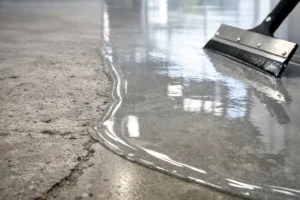
A resin driveway should look as good after a wet Belfast winter as it did on handover day. When outdoor resin surfacing problems appear early – loose aggregate, standing water, cracking or patchy colour – the cause is rarely the resin alone. More often, it comes down to the system chosen, the condition of the base and the standard of installation.
Resin surfaces can provide a striking, hard-wearing and low-maintenance finish for driveways, patios, paths and courtyards. They are not, however, a product to pour over an unsuitable surface and hope for the best. A professional survey and proper preparation are what turn decorative stone and resin into a long-lasting outdoor surface.
The first question: resin bound or resin bonded?
Many issues begin with the two systems being confused. They may both use natural aggregate and resin, but they perform differently.
A resin bound surface mixes dried decorative aggregate thoroughly with resin before it is trowel-applied. The finished layer has open voids between stones, allowing rainwater to drain through when installed on a suitable permeable base. This makes resin bound a popular choice for driveways, paths and patios where a smooth, attractive and SuDS-conscious finish is required.
Resin bonded surfacing works differently. Resin is applied to the base, then aggregate is scattered over it. It has a more textured, loose-stone appearance and can offer strong grip, but it is not generally permeable. Some loose stones after installation are normal, particularly in the early days, because excess aggregate is swept away once the resin has cured.
Neither is automatically the right answer for every property. The key is to match the system to the location, drainage arrangement, traffic level and desired finish. Using a resin bound system over a failing base, or expecting resin bonded stone to behave like a fully bound surface, leads to disappointment that could have been avoided at the planning stage.
Outdoor resin surfacing problems that need attention
Cracking caused by a weak or moving base
Cracks are among the most visible problems, and they are usually a base failure rather than a surface failure. Resin bound finishes are strong, but they are not designed to bridge significant movement in old concrete, broken tarmac or poorly compacted ground.
A driveway may crack where an existing slab has shifted, where tree roots are lifting the sub-base, or where a previous tarmac surface has deteriorated beneath the new finish. Heavy vehicles can also expose weaknesses quickly. If the base flexes under load, the decorative surface above it will eventually show the effects.
The correct remedy depends on the extent of movement. Fine, isolated cracks in a sound base may be repaired and prepared before resurfacing. Widespread cracking, soft areas or failed tarmac normally call for more substantial groundwork. On many projects, installing or rebuilding a proper tarmac base is the most reliable route to a durable resin finish.
Standing water and poor drainage
A resin bound surface is often chosen for drainage, yet puddles can still appear when the groundwork has not been designed correctly. Permeability is a complete system, not just a feature of the top layer. Water needs an open-textured resin finish, a permeable base and somewhere appropriate to drain below.
If the base is solid concrete or dense tarmac without suitable falls or drainage provision, water may be trapped. A patio can also hold water if it has been laid too flat, while blocked channels and gullies can cause localised pooling around the edges.
Standing water does more than spoil the appearance. In colder weather, repeated freeze-thaw cycles can place extra stress on the surface. It can also encourage algae in shaded areas. Before work starts, the installer should assess falls, thresholds, existing drains and ground conditions rather than treating drainage as an afterthought.
Loose stones and aggregate loss
With resin bound surfacing, loose stone is not expected. It can indicate insufficient resin, poor mixing, damp aggregate, an incorrect resin-to-stone ratio or installation in unsuitable weather. The result may be a rough, thin-looking area that continues to shed aggregate under foot or tyre traffic.
Moisture is a particular concern in Northern Ireland. Aggregate must be dry before mixing, and the surface needs to be installed within the product’s recommended temperature and weather conditions. Rain during application or cure can compromise the finish, which is why experienced contractors plan work around the forecast rather than forcing an installation on a marginal day.
Resin bonded surfacing is different. A small amount of loose aggregate after completion is normal, but ongoing stone loss is not. This may point to poor adhesion, insufficient resin coverage or a contaminated base. Sweeping, rather than aggressive power washing, is generally the sensible starting point for day-to-day care.
Discolouration, patchiness and UV fading
A decorative resin surface should have consistent colour and texture. Patchy areas can happen when different aggregate batches are mixed without planning, when the material is not blended evenly, or when an installer runs short and attempts to extend the mix. Shadows, rain and drying conditions can also make a new surface look uneven while it is curing.
Over time, some colour change is natural outdoors. Dark aggregates can show dust and tyre marks, while very pale blends may reveal leaf staining or surface dirt more readily. UV-stable resin systems help retain their appearance, but no exterior finish is completely immune to weather, dirt and use.
The practical answer is not to avoid colour. It is to select a blend that suits the setting and maintain it appropriately. Regular sweeping, prompt removal of leaves and occasional gentle cleaning will keep the aggregate looking sharper than allowing organic debris to build up over seasons.
Algae, moss and staining in shaded areas
Resin surfacing is low maintenance, not no maintenance. North-facing paths, tree-lined patios and areas beneath overhanging shrubs receive less sunlight and stay damp for longer. That creates the conditions for algae and moss, especially where leaves and soil are left sitting on the surface.
Most cases can be managed with a suitable exterior cleaner, a stiff brush and sensible routine care. Harsh solvents, acid-based products and overly aggressive pressure washing should be avoided unless the product guidance supports their use. The aim is to clean the surface without damaging the resin or dislodging aggregate.
Oil, tyre marks and rust stains need prompt treatment too. The right approach depends on the stain and the resin system, so testing any cleaner on an inconspicuous area first is good practice. A specialist installer can advise on aftercare products that are appropriate for the specific finish.
Surface damage from use that was never planned for
A domestic resin driveway can handle normal cars and everyday use when the base and thickness have been specified properly. It is not automatically suitable for repeated turning by heavy vans, skips, delivery lorries or plant equipment. Tight turning creates shear forces that can scuff or stress the finish, particularly in busy areas such as entrances and loading points.
The same principle applies to patios and paths. Dragging metal furniture, dropping sharp-edged items or using inappropriate de-icing products may mark the surface. Commercial locations need an even more careful specification, taking account of footfall, wheeled traffic, cleaning regimes and downtime requirements.
A good surfacing contractor asks how the area will actually be used. That conversation is more valuable than selecting a colour from a sample board alone.
How to prevent problems before installation
The most effective way to avoid resin surfacing failures is to invest time before the first mix is prepared. The existing surface should be inspected for movement, cracks, contamination, drainage issues and unsuitable levels. If the base is not sound, it should be repaired or replaced rather than covered up.
Material quality matters just as much. Professional systems use correctly graded, kiln-dried aggregate and resin designed for external use. Accurate mixing, consistent laying depth and clean edging all affect the finished appearance and lifespan. There is little value in choosing premium aggregate if the groundwork or application process is poor.
Weather management is another non-negotiable. Resin cannot be installed successfully in every condition. Temperature, moisture, humidity and rain forecasts should influence the programme. A short delay for suitable conditions is preferable to a surface that looks compromised from the outset.
Finally, consider the full design. Borders can define parking areas and paths, while colours and aggregate blends can complement brickwork, render or landscaping. But design should sit on top of sound engineering: correct levels, strong edges, suitable drainage and a base built for the traffic it will carry.
When repair is enough and when replacement is wiser
Small, localised issues may be repairable. A minor stain, an isolated damaged patch or a limited area of loose stone can often be assessed and treated without replacing the complete surface. The result may not be invisible, especially where aggregate has weathered, but a skilled repair can restore performance and improve appearance.
Where the damage is widespread, or where the base has failed, patching is usually a short-term answer. Repeated cracks, persistent puddles and aggregate loss across large areas all suggest that the underlying construction needs attention. In those cases, addressing the base and installing a correctly specified new system protects the investment far better than repeated cosmetic repairs.
Surface King approaches exterior resin work as a complete surfacing project, from base preparation and drainage through to aggregate choice and aftercare. That specialist approach helps homeowners and commercial clients achieve a finish that is designed to perform, not simply look impressive for a few months.
The best resin surface is one that suits the property, the local conditions and the way the space is used. Ask the right questions before work begins, and your driveway, patio or pathway can remain a clean, durable and confident first impression for years to come.