A driveway can look right from the road and still be completely wrong for the way you use it. That is usually where the resin bonded vs resin bound question starts. Both use resin and aggregate. Both can transform a tired exterior. But they behave very differently once they are laid, and choosing the wrong one can leave you with a surface that looks the part yet falls short on drainage, comfort underfoot, or long-term value.
If you are upgrading a driveway, patio, path or courtyard in Belfast or across Northern Ireland, this is not a small detail. The right resin system should match the site, the traffic it will take, and the finish you actually want to live with. A good result is not just about appearance. It is about performance, lifespan and how the surface holds up through wet weather, daily use and the years ahead.
Resin bonded vs resin bound: the core difference
The simplest way to separate the two is this. Resin bound surfacing mixes the aggregate and the resin together before the material is laid. That creates a smooth, even finish with small gaps between the stones, allowing water to drain through.
Resin bonded surfacing works the other way round. A resin layer is applied to the base first, and loose aggregate is scattered onto the top. The stone sticks to the surface coating, but the finished system is effectively sealed rather than porous.
That construction difference changes almost everything else. It affects drainage, texture, maintenance needs, appearance, installation method and where each surface is best used.
What resin bound is best for
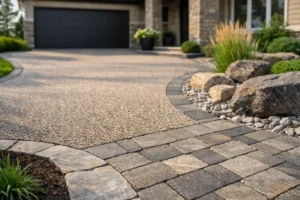
Resin bound is the option most people picture when they think of a premium resin driveway. It gives a clean, modern stone finish that feels firm and comfortable underfoot. Because the aggregate is fully mixed through the resin, the surface is consistent rather than loose or patchy.
For domestic projects, resin bound is often the stronger choice for driveways, patios and pathways where appearance and practicality matter equally. It is attractive, low maintenance and SuDS compliant when installed on a suitable permeable base. In plain terms, that means water can drain through the surface instead of sitting on top or running off into other areas.
That matters in a climate like ours. Standing water, puddling and runoff can quickly turn a smart new surface into an ongoing headache. Resin bound helps reduce that problem while also giving you plenty of design flexibility. Different aggregate blends, border details and patterns can completely change the look, whether you want something subtle and natural or sharper and more contemporary.
From a user point of view, resin bound also feels more refined. It is smoother for walking, easier for pushchairs and bicycles, and generally more comfortable than rougher alternatives. That makes it a strong all-round option for homeowners and landlords who want kerb appeal without sacrificing day-to-day use.
Where resin bonded makes more sense
Resin bonded still has its place, but it should be chosen for the right reasons. Because the aggregate is broadcast onto the resin layer, the finish has a more textured appearance and can provide a strong visual effect quickly. It is sometimes selected where the aim is to improve the look of an existing hard surface without creating a porous system.
In some commercial settings, resin bonded can be useful where slip resistance and decorative finish are priorities, particularly on suitable prepared bases. It can also work for certain access routes or areas where permeability is not required.
That said, it is not usually the first recommendation for a premium residential driveway if you want the polished, hard-wearing finish people now expect from resin surfacing. The top layer can lose stone over time, especially if installation standards are poor or the area takes repeated turning traffic. For that reason, it tends to be a more conditional choice.
Drainage is often the deciding factor
If you are comparing resin bonded vs resin bound for an exterior surface, drainage is usually where the decision becomes clear.
Resin bound is porous. Water passes through the surface and drains away below, provided the base is designed correctly. That can help with surface water management and is one of the major reasons it has become so popular for driveways and patios.
Resin bonded is non-porous. Water cannot drain through the surface itself, so the area needs to rely on falls, channels or surrounding drainage to move water away. If the site already struggles with puddling or runoff, that can be a major drawback.
This is why surface preparation and base specification matter just as much as the resin finish itself. A good installer will look at the whole build-up, not just the top layer. There is no value in choosing a premium finish if the underlying structure is wrong for the site.
Appearance and finish
Both systems can improve a property, but they do not look the same up close.
Resin bound has a smoother, more uniform finish. The stone is locked through the mix, so the appearance is neater and more contemporary. It suits homes that want a high-end finish and commercial settings where presentation matters.
Resin bonded tends to look rougher and more textured because the stone sits on top of the resin layer. That can be attractive in the right setting, but it is a different result. It is less about sleek visual consistency and more about surface grip and decorative coverage.
If your priority is a driveway or patio that feels like a full upgrade rather than a surface treatment, resin bound is usually the better fit.
Durability and maintenance
No resin surface is maintenance-free, and any contractor who suggests otherwise is overselling it. The better question is how much upkeep the surface is likely to need and how well it will cope with real use.
A properly installed resin bound surface is durable, easy to clean and well suited to regular traffic. Sweeping, occasional washing and basic aftercare are generally enough to keep it looking smart. Because the finish is even and there is no loose top layer, it tends to perform well over time.
Resin bonded can be durable too, but the exposed aggregate layer is more vulnerable to stone loss and wear in busy areas. Once the top layer starts to thin or break up, the appearance can deteriorate faster. That does not mean it is a poor product. It means it has to be specified honestly.
The same principle applies to both systems: quality materials and correct installation make the difference. Cheap resin, rushed preparation and weak edging details will shorten the lifespan of any surface, no matter what brochure claims say.
Cost versus value
Price matters, but comparing resin systems on square metre cost alone can be misleading. The cheaper option on day one is not always the better value after five or ten years.
Resin bonded may come in at a lower initial price in some cases, particularly where it is being applied over a suitable existing base. But if your goal is a porous, premium finish with long-term domestic appeal, resin bound often gives stronger overall value. It delivers drainage benefits, a more consistent finish and a result that tends to be more desirable from both a practical and visual point of view.
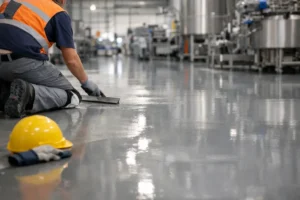
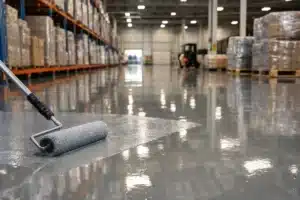
For commercial clients, the decision should be tied to use. A hospitality entrance, retail frontage or healthcare walkway may need one set of performance qualities, while an industrial flooring environment may call for a completely different resin system altogether, such as epoxy, MMA or polyaspartic technology. That is why specialist advice matters.
Which one should you choose?
If you want a decorative, permeable, low-maintenance surface for a driveway, patio or path, resin bound is usually the stronger option. It is the system most suited to homeowners who want a long-lasting finish with real visual impact.
If you need a textured aggregate finish on a non-permeable surface and the site conditions support it, resin bonded may be appropriate. The key is making sure the specification fits the area rather than forcing the area to fit the product.
That is where working with a specialist installer and supplier makes all the difference. A proper consultation should look at the existing base, drainage, traffic levels, finish expectations and budget before any recommendation is made. At Surface King, that is exactly how resin projects should be approached – not as a one-size-fits-all product, but as a surface system designed to perform.
The best resin surface is not simply the one that looks good on installation day. It is the one that still works, still drains and still lifts the whole property years later.