A patio should do more than cover the ground. It needs to handle wet shoes, garden furniture, changing weather and regular use while making the whole outdoor space look considered. So, is resin bonded good for patios? It can be a strong option in the right setting, but it is not automatically the best resin system for every garden.
The crucial point is that resin bonded and resin bound are different surfaces. They may look similar at first glance, but they are made differently, drain differently and suit different patio conditions. Choosing between them early helps avoid a finish that looks excellent on day one but does not match how you use your outdoor space.
What is a resin bonded patio?
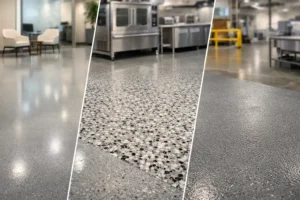
A resin bonded surface is created by applying a layer of resin to a prepared base, then scattering decorative aggregate over it. Once the resin cures, loose stone is removed, leaving a textured, natural-stone finish with the aggregate exposed at the surface.
This method can deliver a high-impact finish with plenty of choice in aggregate colour, texture and border detail. It is particularly effective where a homeowner wants a traditional gravel appearance without the constant movement associated with loose gravel. The stones are held in place by the resin layer rather than sitting freely underfoot.
However, because the resin sits beneath the aggregate rather than coating every stone, a resin bonded finish is generally not permeable. Rainwater needs somewhere else to go, usually through suitable falls, channels or existing drainage points.
Is resin bonded good for patios in Northern Ireland?
Resin bonded can work well for patios in Belfast and across Northern Ireland when drainage is properly planned and the base is stable, sound and correctly prepared. It creates a durable, attractive surface that can refresh a tired concrete area or complement a driveway, path or courtyard finished in the same aggregate.
It is a particularly good fit for covered seating areas, enclosed courtyards and patios with a clear fall that directs water towards appropriate drainage. Its textured finish also offers more grip than a highly smooth decorative surface, which can be useful around entrances and garden transitions.
The local weather is also exactly why the specification matters. Frequent rainfall means standing water should never be treated as a minor detail. If water gathers on an old slab patio, a non-permeable bonded surface will not solve that issue by itself. The levels, falls and drainage arrangement must be corrected before installation.
Where resin bonded earns its place
A resin bonded patio is worth considering if you want a decorative stone appearance, have reliable surface drainage and prefer a slightly more textured finish. It can be installed over suitable existing concrete or tarmac in some cases, reducing disruption compared with a full excavation. That said, the existing base must be assessed properly. Cracks, movement, poor falls and soft areas can compromise any new surface applied above it.
It can also be an effective choice where a patio is part of a wider design scheme. Matching the aggregate to a resin bonded driveway, introducing a contrasting border, or framing a seating area with a defined edge can turn an ordinary garden into a more polished extension of the property.
When it may not be the best option
Resin bonded is less suitable for a patio where permeability is a priority. If the area receives heavy rainfall, has limited drainage or is intended to help manage water naturally on site, resin bound is often the stronger choice.
It may also require more realistic maintenance expectations. Because the aggregate is surface-bonded, small amounts of stone can loosen over time, especially in areas exposed to repeated scraping, sharp furniture feet or heavy traffic. A well-installed system minimises this, but it cannot be treated in the same way as a fully resin bound surface.
Resin bound versus resin bonded for patios
Resin bound is made by mixing dried aggregate and resin together before it is laid and trowelled across the prepared base. Every stone is coated, creating a smooth, even and porous finish. Water drains through the surface when it is installed onto a suitable permeable base build-up.
For many residential patios, this makes resin bound the preferred specification. It provides a refined appearance, a comfortable surface for outdoor furniture and a practical drainage solution. It is also less likely to shed individual stones because the aggregate is bound throughout the layer, not only attached from beneath.
Resin bonded has its own visual character. It has a more pronounced aggregate texture and can better replicate the look of loose decorative gravel. The right answer depends on the desired look, the condition of the existing base, the budget and, above all, how water will move across the finished area.
A specialist should never recommend one system simply because it is quicker to describe or easier to price. The patio has to work through every season, not just look good in a photograph.
The base and drainage decide the result
The quality of the groundwork is as important as the resin finish. A patio surface is only as dependable as what sits beneath it. Before resin bonded installation, the base should be checked for movement, cracking, contamination, levels and water flow.
A stable concrete or tarmac base may be suitable, provided it is properly cleaned, repaired and primed where required. If the existing patio is badly uneven or suffers from persistent damp areas, remedial work may be needed first. Applying a decorative finish over a failing base is a false economy.
For a non-permeable resin bonded patio, the surface should be formed with an appropriate fall away from the property. Water must be directed towards a suitable drainage channel, gulley or other approved outlet. This protects the surface and helps prevent water sitting against doors, walls or thresholds.
Appearance, comfort and everyday use
Patios are lived-in spaces, so the finish should suit your routine. Resin bonded surfaces bring strong visual texture and a natural stone character. They work especially well in rustic gardens, period properties and outdoor areas where a more traditional aggregate look feels right.
For dining areas, resin bound can feel more comfortable under chairs and tables thanks to its flatter, more even surface. It is also easier to sweep clean after a barbecue or a busy weekend in the garden. Neither option eliminates the need for regular care, but both are considerably easier to manage than loose gravel.
Aggregate selection makes a major difference. Lighter blends can brighten a shaded garden, while warm golds and reds can complement brickwork. Grey, silver and black blends provide a crisp contemporary finish, particularly when paired with a defined contrasting border. The best choice should work with the house, boundary walls and the amount of natural light the patio receives.
Maintenance and long-term performance
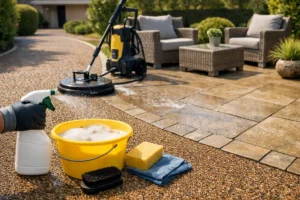
A resin bonded patio should be kept clear of leaves, soil and organic debris, particularly during autumn and winter. This prevents moisture from being held on the surface and reduces the chance of moss or algae developing in shaded spots. Routine sweeping and occasional gentle cleaning will keep the aggregate looking its best.
Avoid harsh chemicals, aggressive pressure washing and metal-edged tools that may disturb the stone. If isolated areas become damaged, prompt professional repairs are preferable to allowing the defect to spread. The goal is to protect the bond and maintain a consistent finish across the patio.
For homeowners who want the lowest-maintenance option, resin bound is often easier to live with long term. That does not make resin bonded a poor product. It simply means it should be selected for the right reasons: visual texture, a gravel-style appearance and a well-drained setting.
Make the patio system fit the property
The best patio is not chosen from a sample board alone. It is specified around the site. Consider whether the area is exposed or covered, whether children and pets will use it daily, where rainwater currently collects and whether you want the patio to match a driveway or path.
At Surface King, the focus is on matching the resin system, aggregate and groundwork to the way the space will be used. A proper consultation can identify whether resin bonded is the right route, whether resin bound will offer better drainage, or whether preparation work is needed to create a long-lasting result.
If your patio has sound drainage and you want a textured decorative stone finish, resin bonded can be an excellent upgrade. If water management and a smoother permeable surface are higher priorities, resin bound is likely to serve the garden better. The most satisfying result comes from choosing the finish that performs as well in a wet Northern Irish winter as it does on a sunny afternoon outdoors.