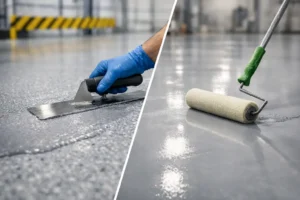
A driveway can look deceptively simple on a plan. Measure the length, multiply it by the width, order materials – and expect the numbers to work. In practice, resin aggregate coverage depends on far more than the square metres shown on a sketch. The specified system, installed depth, aggregate blend, existing base and even the shape of the area all affect how much material is needed for a durable, consistent finish.
Getting this right matters. Under-ordering can delay an installation or leave no allowance for unavoidable cutting-in around edges. Over-ordering adds unnecessary cost and can create a storage problem for unused resin products. A properly measured, professionally specified quantity gives your driveway, patio or path the coverage it needs to perform and look its best.
What does resin aggregate coverage mean?
Resin aggregate coverage is the area a set quantity of aggregate and resin will cover at a specified depth. It is usually expressed in square metres per kit, tonne or bag. The key phrase is at a specified depth. The same quantity that covers a patio at 15mm will cover noticeably less area when laid at 18mm.
For resin bound surfacing, the aggregate and resin are mixed together before being trowel-applied to form a smooth, permeable finish. The system is installed as a full depth layer, so its coverage is driven mainly by the thickness and density of the material.
Resin bonded surfacing works differently. Resin is applied to the base, then decorative aggregate is scattered across it and pressed into the coating. This creates a textured, stone-forward finish rather than a fully bound, permeable layer. Its coverage is calculated from the resin application rate and the amount of aggregate broadcast over it, including material that is later recovered.
That distinction is essential. Resin bound and resin bonded may use similar-looking stones, but they should never be measured or ordered as though they are the same system.
How to calculate resin aggregate coverage
The starting point is always an accurate site measure. Break the surface into manageable shapes, then calculate each section in square metres. A rectangular driveway is length multiplied by width. For curved driveways, bays, sweeping paths and irregular courtyards, it is better to divide the area into rectangles, triangles and curves than rely on a rough estimate.
Once the area is known, apply the specified depth and the manufacturer’s stated coverage rate. A useful planning formula for resin bound projects is:
Area in m² × depth in metres × material density in kg/m³ = approximate material requirement in kg
Decorative aggregate blends vary, but a planning density of around 1,600kg per cubic metre is often used for resin bound calculations. At 18mm, this equates to roughly 28.8kg of finished material per square metre. At 15mm, it is around 24kg per square metre. These are working estimates, not a substitute for the coverage data supplied for the exact aggregate and resin system being used.
For example, a 40m² driveway installed at 18mm requires approximately 1,152kg of finished mixed material before allowing for site-specific waste. A 40m² pedestrian path at 15mm would need around 960kg. Those figures demonstrate why changing the depth by only a few millimetres has a significant impact on the order.
Depth changes the result quickly
A common mistake is to assume that every external resin surface can be laid at the same thickness. Footpaths, patios and low-traffic areas may be specified at a lighter depth where the base and intended use allow it. Residential driveways normally require a more substantial resin bound layer to handle vehicle loading. Commercial areas, turning points and heavier-use entrances may need a different specification again.
The base is part of this decision. A sound, well-prepared tarmac base provides a stable foundation and supports a consistent installation depth. If the base is uneven, cracked, soft or poorly drained, simply adding more resin bound material is not the right remedy. The underlying problem should be addressed first. Otherwise, the new decorative surface can mirror movement or defects below it.
Factors that affect the amount you should order
Square metres and depth provide the core calculation, but a reliable order also allows for the realities of installation. Edges, drains, inspection covers, steps and kerbs all create cuts and detailed handwork. A clean border can elevate the finished design, especially where a contrasting aggregate is used, but it also means separate quantities must be calculated for the main field and the border.
Aggregate size has an influence too. Different blends compact and trowel differently, while natural stone can vary slightly in bulk density. This is one reason a named, approved system and an exact manufacturer coverage guide should be used rather than a generic online calculator.
Site access is another practical consideration. If materials must be moved through a narrow side passage, over steps or around a landscaped property, the installation needs careful staging. That does not necessarily alter the total material volume, but it can affect how batches are planned and why having a sensible contingency is valuable.
For most projects, a measured allowance for cutting, detailed areas and small variations is sensible. The right amount depends on the shape of the site and the system being installed. A large, open rectangular area needs less allowance than a courtyard filled with channels, planters and curved borders. Excessive contingency, however, is not good planning. Resin and aggregate should be ordered from a clear site survey and product calculation, not a guess.
Resin bound coverage versus resin bonded coverage
Resin bound surfacing is generally selected where clients want a smooth, decorative and low-maintenance finish. It is popular for driveways, paths and patios because the aggregate is fully encapsulated in resin, reducing loose stones and providing a clean, continuous appearance. Where installed over a suitable permeable base, it can also support surface-water drainage.
Coverage for resin bound systems is linked to mixed material volume. The aggregate and resin ratio must be maintained precisely. Adding extra stone to stretch a mix can leave weakly coated aggregate, reduce durability and compromise the appearance. Adding resin without following the system specification is equally unsuitable.
Resin bonded surfacing provides a different visual and physical result. It has more texture and can be a strong option for certain decorative or anti-slip applications. Because aggregate is scattered over resin and surplus stone is removed after curing, the process uses an intentional excess of aggregate during application. The resin layer itself is measured by kilograms per square metre, while the stone requirement includes broadcast allowance and potential recovery.
This is why a resin bonded quotation should identify the resin system, primer requirements, application rate and aggregate size, rather than giving one vague coverage figure.
Why the cheapest coverage figure can be misleading
Comparing prices only by advertised square metre coverage can lead to a disappointing result. A lower price may be based on a thinner layer, an unsuitable base assumption, a reduced resin ratio or no allowance for edging and preparation. The surface may look acceptable on the day of installation yet fail to deliver the long-term performance expected from a quality resin system.
The better question is not simply, “How many square metres does this kit cover?” It is, “What does this specified system cover at the depth and finish my property needs?” That brings the calculation back to performance: traffic levels, drainage, substrate condition, design details and desired lifespan.
For commercial flooring, the calculation becomes more specialised. Epoxy, MMA and polyaspartic systems are usually measured by coating thickness and product consumption per square metre, with primers, build coats and topcoats considered separately. A fast-curing floor may reduce downtime, but it still needs the right preparation and film build to withstand the environment.
Get the quantity right before work begins
The strongest resin surface starts with an honest assessment of the existing ground and a clear specification for the finished area. Measure carefully, specify the right depth, separate borders and feature sections, and use coverage figures confirmed for the chosen system. If the base requires repair or replacement, factor that in before calculating the decorative layer.
At Surface King, every project is approached as both a performance surface and a visual upgrade. A free consultation can turn a rough measurement into a practical plan for the right resin system, aggregate blend and finish – so the material ordered is ready to create a driveway, patio or pathway that looks properly considered from every angle.