A floor can look immaculate and still be the weak point in a space if it becomes slippery under foot. That is usually the moment people start asking, what is anti slip resin flooring, and whether it is the right fix for a driveway entrance, commercial unit, kitchen, warehouse, or external walkway. The short answer is that it is a resin-based surface system designed to improve grip while still giving you the durability, clean finish, and long service life resin flooring is known for.
The better answer is that anti slip resin flooring is not one single product. It is a category of flooring systems built with resins such as epoxy, polyurethane, polyaspartic, or MMA, combined with texture or aggregate to increase slip resistance. That matters because the right system depends on where the floor is going, how it will be used, and what kind of finish you want to achieve.
What is anti slip resin flooring and how does it work?
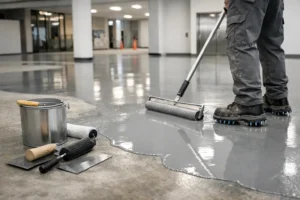
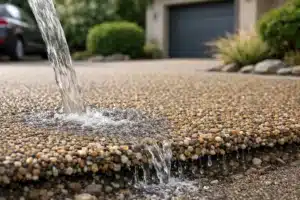
Anti slip resin flooring is a hard-wearing surface made by applying liquid resin to a prepared base and then curing it into a solid finish. To make it anti slip, the installer introduces texture into the top layer. This can be done with fine aggregate, graded quartz, bauxite, or other slip-resistant materials that create extra grip under foot.
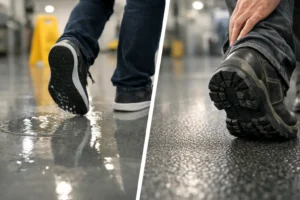
That grip is the key difference between a standard smooth resin finish and an anti slip one. In dry areas, a smoother finish may be perfectly suitable and easier to clean. In wet, greasy, or high-traffic environments, a smoother floor can become a liability. Anti slip resin flooring is built to reduce that risk without giving up the practical advantages of resin.
The finish can be subtle or more pronounced. A lightly textured floor may suit a showroom, hospitality space, or domestic setting where appearance is a major factor. A heavier anti slip profile is often better for workshops, loading bays, food preparation zones, plant rooms, or external access routes where safety comes first. This is where specialist advice makes a difference, because too much texture in the wrong setting can make cleaning harder, while too little texture may not provide enough grip.
Why people choose anti slip resin flooring
Most buyers are not looking for flooring jargon. They want a surface that performs properly and keeps looking smart. Anti slip resin flooring appeals because it deals with both.
First, it improves safety. That sounds obvious, but the real value is in reducing the chance of slips in places where water, oil, condensation, mud, or frequent cleaning are part of daily life. For commercial operators, that can support safer working conditions and a more professional environment. For homeowners and landlords, it can make entrances, utility areas, and external surfaces more secure in poor weather.
Second, it is built for longevity. Resin floors are known for their strength, resistance to wear, and low-maintenance finish. When installed correctly onto a sound substrate, they stand up well to footfall, wheeled traffic, impacts, and regular cleaning. That makes them attractive for both domestic and commercial projects where replacing flooring every few years is not an option.
Third, it gives you more design control than many people expect. Anti slip does not have to mean rough, industrial, and unattractive. Resin systems are available in a wide range of colours and finishes, and some can be tailored to suit branding, zoning, or the overall look of the property. For businesses, that means practicality without compromising presentation. For private properties, it means you can improve grip without ending up with a surface that looks purely functional.
Where anti slip resin flooring works best
Some environments almost demand an anti slip finish. Commercial kitchens, warehouses, workshops, garages, healthcare settings, retail back-of-house areas, and factory floors are common examples. These spaces often face a mix of moisture, spills, cleaning chemicals, and constant use, so the floor needs to do more than just look tidy.
External spaces are another strong fit. Entrances, ramps, steps, covered walkways, and service yards can all become hazardous in rain or frost. A correctly specified anti slip resin system can create a more secure footing while still giving a neat, professional finish.
Domestic use is growing too. Homeowners upgrading utility rooms, garages, garden rooms, or side access paths often want a surface that is easier to clean than concrete and more reliable under foot than tiles or painted coatings. In these settings, anti slip resin flooring can offer a cleaner, more durable finish with less ongoing hassle.
The important point is that suitability depends on usage. A busy warehouse and a private garage do not need the same level of slip resistance. A hospitality venue may need a more refined finish than a processing area. Good results come from matching the system to the environment rather than choosing the most aggressive texture and hoping for the best.
The main types of anti slip resin systems
Epoxy resin is one of the most widely used options. It is strong, durable, and well suited to many commercial and industrial settings. It can deliver excellent wear resistance and a clean finish, although some formulations are better indoors than outdoors due to UV sensitivity.
Polyurethane resin is often chosen where a little more flexibility or chemical resistance is needed. It can perform well in demanding environments and may be suitable where thermal movement is a factor.
MMA resin is a popular choice when downtime needs to be kept to a minimum. It cures quickly, even in cooler temperatures, which makes it attractive for businesses that cannot afford long closures.
Polyaspartic systems are also valued for fast curing and strong performance, with the added benefit of a finish that can be highly presentable. For some commercial projects, this combination of speed and appearance is a major advantage.
What ties all of these together is not just the resin itself, but how the anti slip layer is built into the system. The resin, aggregate size, thickness, substrate preparation, and final seal all affect performance.
What to expect from the finish
One of the biggest misunderstandings around anti slip flooring is that more grip is always better. It is not that simple. A heavily textured floor may provide excellent traction, but it can also hold more dirt and take more effort to clean. A finer finish may look sharper and be easier to maintain, but it may not be suitable for wetter or higher-risk areas.
This is where specification matters. The floor should be designed around real conditions, not guesswork. Is the area usually dry or regularly wet? Will there be oil, detergents, or heavy footfall? Is easy cleaning a top priority? Does the floor need to support vehicles, trolleys, or machinery? These questions shape the right finish.
Appearance also matters more than many buyers assume. A professional anti slip resin floor should not look like an afterthought. It should feel like part of the overall upgrade. For businesses, that supports first impressions. For property owners, it adds to the sense of a clean, considered finish.
Installation matters as much as the material
Even the best resin product will not perform properly if the base is poorly prepared or the wrong system is applied. Successful anti slip resin flooring starts with the condition of the substrate. Concrete needs to be sound, dry enough for the chosen system, and properly prepared through methods such as grinding or shot blasting. Any cracks, contamination, or weakness in the base have to be dealt with first.
Then comes system build-up. Primer, body coat, aggregate, and seal coat all have a role to play. If one stage is rushed or skipped, the final result can fall short on appearance, durability, or slip resistance. That is why specialist installation is so important.
For clients across Belfast and Northern Ireland, this is often where working with a resin specialist rather than a general builder makes the difference. A proper contractor will look at the substrate, usage, drainage, curing requirements, and finish expectations before recommending a system.
Is anti slip resin flooring right for every project?
Not always. If an area is low risk, fully dry, and appearance-led, a smoother decorative resin finish may be the better choice. If the existing base is badly failed, more groundwork may be needed before resin is even an option. Budget, downtime, and the level of ongoing maintenance expected also come into play.
That said, for many domestic, commercial, and industrial settings, anti slip resin flooring offers a strong balance of safety, durability, and visual quality. It is especially effective when you need a surface that works hard every day but still looks sharp.
The best results come from treating flooring as part of the wider upgrade, not as a last-minute practical fix. A well-specified anti slip resin floor does more than reduce slips. It improves how a space functions, how it looks, and how confidently people use it. If your current surface is worn out, hard to clean, or unreliable in wet conditions, that is usually the right time to stop patching over the problem and start planning a finish built to last.