A resin driveway can look sharp on day one, but most homeowners are really asking a different question – will it still look good in ten or fifteen years? That is the real issue behind how long do resin driveways last, and the honest answer is that a well-installed resin system can last anywhere from 15 to 25 years, sometimes longer. The catch is that lifespan depends heavily on the base, the materials used, the amount of traffic, and the quality of the installation.
That range is wide for a reason. Resin is not a one-size-fits-all surface. A properly specified resin bound driveway laid over a sound base will perform very differently from a cheaper job installed with cut corners, poor drainage planning, or low-grade stone and resin. If you are investing in kerb appeal and long-term performance, those details matter.
How long do resin driveways last in real conditions?
In real-world conditions, a professionally installed resin bound driveway should usually give you 15 to 25 years of service. For many domestic properties, that means a surface that handles daily vehicle use, changing weather, foot traffic, and regular washing without major issues.
Resin bonded systems can have a shorter lifespan, particularly in heavier-use settings, because the stone sits on top of the resin rather than being mixed through it. Over time, loose stone loss and wear can become more noticeable. That is one reason resin bound is often the preferred choice for driveways where durability and a cleaner finish are priorities.
Northern Ireland weather also plays a part. Frequent rain, damp conditions, and winter freeze-thaw cycles put any external surface under pressure. A resin driveway that is permeable, correctly laid, and supported by a stable base is far better equipped to cope with that than one installed without proper groundwork.
What affects the lifespan of a resin driveway?
The biggest factor is what sits underneath it. Resin is only as good as the base it is laid on. If the sub-base is unstable, cracked, or poorly prepared, movement below the surface will eventually show above it. That can mean cracking, sinking, or areas that fail earlier than expected.
Material quality is just as important. Better resins resist UV damage, hold their finish for longer, and cope better with day-to-day wear. Good-quality aggregate helps with appearance and strength too. If the stone is inconsistent or the resin-to-stone ratio is wrong, the surface may not bind correctly or wear evenly.
Installation standards make a major difference. Resin surfacing is specialist work. The mixing, trowelling, timing, weather conditions, and edging all need to be right. Even a strong product can fail if it is laid badly. That is why homeowners and landlords often see a big difference between a specialist installer and a contractor who treats resin as just another add-on service.
Usage levels matter as well. A driveway used by one household car will generally last longer than one exposed to regular van traffic, repeated turning in the same spot, or heavier commercial use. That does not mean resin is fragile – far from it – but the design and specification should match the demands of the site.
Resin bound vs resin bonded longevity
This is where many buyers get caught out. The terms sound similar, but the performance is not the same.
Resin bound driveways
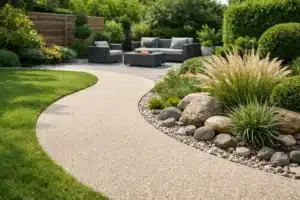
In a resin bound system, the aggregate and resin are mixed together before being laid. This creates a smooth, permeable finish with stone throughout the surface. It is durable, attractive, and well suited to domestic driveways, patios, paths, and courtyards. When installed properly on the right base, this is the option most likely to reach that 15 to 25 year lifespan.
Resin bonded driveways
In a resin bonded system, the resin is applied to the surface first and loose aggregate is scattered over the top. It can deliver the look of natural stone, but it is less commonly chosen where a long-lasting, hard-wearing driveway finish is the main goal. The top layer can wear faster, especially where tyres turn or braking happens regularly.
If longevity is one of your top priorities, resin bound is usually the stronger option.
The base decides more than the top finish
A driveway can only perform as well as the structure below it. This is one of the most overlooked parts of the conversation, especially when comparing quotes.
A solid tarmac or concrete base in good condition can provide an excellent foundation for resin. In many cases, this makes refurbishment possible without full excavation, provided the existing base is sound. If the base is failing, though, laying resin over it will not solve the problem. It may look better for a while, but the weakness underneath will return.
That is why a proper site assessment matters. Drainage, cracking, edge restraint, levels, and load-bearing strength all need to be checked before any resin is laid. A cheaper quote that skips this stage often becomes the expensive option later.
What can shorten a resin driveway’s life?
Poor installation is the main cause of early failure. If the mix is wrong, the weather conditions are unsuitable, or the layer depth is inconsistent, the surface can start to deteriorate much sooner than it should.
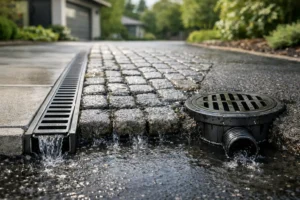
Standing water is another issue. Resin bound systems are designed to be permeable, but they still need correct falls and proper groundwork. If water sits where it should be draining away, the surface and sub-base can both suffer over time.
Heavy point loading can also reduce lifespan. Skips, caravans, commercial vehicles, or repeated stress in one area may cause wear faster than normal domestic use. Oil spills, although not always serious, should also be cleaned promptly to protect the finish and keep the driveway looking its best.
Then there is maintenance. Resin is low maintenance, not no maintenance. Dirt, moss, weeds from surrounding edges, and neglected stains can all affect appearance and, over time, performance.
How to get the maximum life from a resin driveway
A good resin driveway does not ask for a lot, but a little routine care goes a long way. Sweeping regularly helps stop debris building up. Occasional washing keeps the colour fresh and prevents surface grime from settling in. If moss or weeds appear around edges, they should be dealt with early rather than left to spread.
It is also sensible to avoid dragging heavy objects across the surface or placing extreme loads on one spot for long periods. Most homeowners will never have a problem here, but if you are planning to park heavier vehicles or store equipment, it is worth discussing that at the specification stage.
The best protection still comes at the start. Choosing a specialist installer, using high-quality materials, and making sure the base is fit for purpose will do more for lifespan than any cleaning routine afterwards.
Is resin worth it for long-term value?
If you want a driveway that combines appearance, durability, and low upkeep, resin is a strong long-term investment. It gives a cleaner, more contemporary finish than tired concrete or weathered block paving, and it avoids many of the maintenance headaches associated with loose stone surfaces.
It also adds value in ways that are not purely structural. First impressions matter. A professionally installed resin driveway can transform the front of a property, improve drainage, sharpen kerb appeal, and create a finish that looks considered rather than patched together.
That said, value only holds if the work is done properly. A bargain installation that fails early is not good value. A driveway built on the right base with the right resin system and a high standard of workmanship will nearly always prove the better investment.
When should a resin driveway be replaced?
Replacement is not usually about age alone. It is about condition. If the surface remains structurally sound, drains properly, and still looks good after years of use, there may be no reason to replace it. If there is widespread cracking, movement from the base, major wear in traffic areas, or repeated patch repairs, it may be time to look at a full upgrade.
For many properties, the smarter route is to assess the existing base and decide whether resurfacing is possible or whether a full rebuild is the better long-term solution. That is where specialist advice matters. Surface King sees this regularly across Belfast and Northern Ireland – the finish on top gets the attention, but the success of the job starts underneath.
A resin driveway should not be treated as a short-term cosmetic fix. Done properly, it is a durable surface system built to perform for years while lifting the whole look of the property. If you want it to last, focus less on the cheapest quote and more on the quality of the groundwork, the materials, and the team laying it. That is what turns a smart-looking driveway into one that still earns its keep year after year.