A resin driveway can completely change how a property looks from the street, but the finish is only as good as the groundwork underneath it. That is why any proper resin driveway installation guide needs to start before a single stone is mixed. If you want a surface that looks sharp, drains well and keeps its shape for years, the real decisions happen in the prep, not just on installation day.
For homeowners and landlords, resin is often chosen because it gives a cleaner, more modern finish than tired concrete, loose gravel or patchy block paving. For commercial sites, it brings the same visual lift with the added benefit of durability and easy maintenance. The key is choosing the right system, the right base and the right installer for the demands of the site.
What a resin driveway system actually involves
People often use the word resin as if it is one product. In practice, there are two main systems used on driveways – resin bound and resin bonded. They are not interchangeable, and the difference matters.
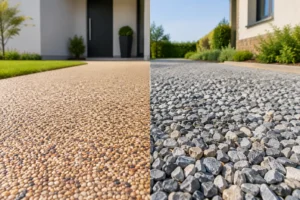
Resin bound surfaces mix aggregate and resin together before the material is laid and trowelled by hand. This creates a smooth, stone-filled finish with small gaps between the aggregate that allow water to drain through. It is the preferred choice for most driveways because it is attractive, hard-wearing and SuDS friendly when laid on a suitable permeable base.
Resin bonded surfaces are different. The resin is applied to the base first, and loose aggregate is scattered on top. This gives more of a textured finish and is generally chosen for grip or appearance in specific settings rather than as the first choice for a domestic driveway. If your priority is a premium decorative driveway with a clean finish, resin bound is usually the stronger option.
Resin driveway installation guide – start with the base
The most common reason resin driveways fail is not the resin. It is the base. Cracking, movement, pooling water and premature wear nearly always point back to poor preparation or an unsuitable sub-base.
A resin bound driveway should usually be installed over a stable, well-constructed base such as permeable asphalt or sound concrete, depending on the design of the system. Permeable asphalt is often the best match where drainage is a priority, because it works with the resin surface rather than against it. Concrete can also be suitable, but only when it is in good condition, correctly laid and properly assessed for cracks, contamination and moisture issues.
If there is an old driveway in place, it may be possible to overlay it. That depends on what is already there. Some existing surfaces are sound enough to use as a base, while others need to be removed entirely. Loose blocks, failing tarmac, crumbling concrete or areas with movement are warning signs. Covering over a bad surface does not solve the problem. It just hides it until the new finish starts to fail.
A good installer will assess load-bearing strength, drainage falls, edging and access before recommending the build-up. This is where specialist advice matters. Every driveway has different traffic levels, turning points and problem areas, especially on sloping sites or properties with heavy vehicles.
Drainage is not a side issue
A resin driveway should not leave water sitting at the garage, running towards the house or collecting in low spots. Levels and falls need to be worked out before installation starts, not corrected after the fact.
One of the strongest selling points of resin bound surfacing is permeability. Water can pass through the surface and drain naturally when the system is designed correctly. That can reduce standing water and help properties comply with drainage requirements. But permeability is only useful if the full structure supports it. A porous top layer laid over a non-permeable base will not perform as intended.
This is one of those areas where cheap quotes often miss the mark. If drainage channels, edge restraints or proper falls are ignored to cut costs, the driveway may still look good on day one, but performance will tell a different story after the first heavy spell of rain.
Choosing the right aggregate and finish
A resin driveway is a practical surface, but appearance is a major part of the decision. The blend of stone, the size of the aggregate and the border detail all shape the final result.
Lighter blends can brighten the front of a property and work well with modern facades. Warmer golden and red tones suit more traditional homes. Grey and silver mixes remain popular because they give a clean, contemporary look and hide day-to-day dust well. Borders can be used to frame the driveway, define parking areas or tie the design into paths and patios.
This is where resin stands apart from plain tarmac or concrete. It gives you more design freedom without sacrificing performance. The best results come from balancing visual impact with the practical reality of the site. For example, very pale blends can show tyre marks more easily, and some decorative finishes suit pedestrian areas better than high-turning vehicle zones. A specialist installer should be honest about what looks good and what lasts.
How installation day should work
A professional installation process is controlled, time-sensitive and weather-aware. Resin materials have to be mixed accurately, laid consistently and finished quickly enough to maintain a uniform appearance. This is not a job for guesswork.
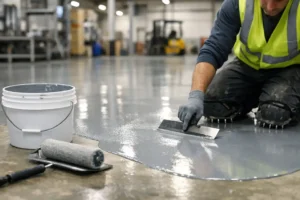
Once the base is ready, the area should be clean, dry and properly edged. The resin and aggregate are mixed in measured batches, then spread and hand-trowelled to a consistent depth. Skilled laying is what gives resin bound surfaces their smooth, level finish. Variations in mixing or trowelling can lead to weak spots, patchiness or visible joins.
Weather plays a part too. Rain, cold temperatures and high moisture can affect curing and finish quality. A reliable contractor will schedule work around the conditions rather than pushing ahead for convenience. That matters in Northern Ireland, where the weather can change quickly and site timing needs to be managed properly.
For most domestic projects, the actual surfacing stage is relatively quick once preparation is complete. The longer part is usually the groundwork, repair work and base construction. That is worth remembering when comparing timelines. Fast is not always efficient if the foundation has been rushed.
What affects cost in a resin driveway project
No honest resin driveway installation guide can offer a one-price-fits-all answer, because cost depends on several site-specific factors. Size matters, but it is far from the only variable.
The condition of the existing surface can significantly change the price. A straightforward overlay on a suitable base is very different from a full dig out and rebuild. Access also matters. If materials have to be moved through tight entrances or across awkward levels, labour increases. Drainage requirements, border detailing, step edges and custom patterns all add to the specification.
The choice of resin system and aggregate blend also affects the budget. Premium materials and trusted branded systems tend to cost more, but they usually offer stronger consistency and better long-term performance. That is a sensible trade-off on a surface expected to handle daily vehicle use.
The cheapest quote is rarely the best value. On resin work, low pricing can mean corners have been cut on base prep, material ratios or installation skill. A driveway is a visual upgrade, but it is also a structural surface. It has to perform.
Aftercare and long-term performance
One reason clients choose resin is that it is low maintenance, not no maintenance. The difference is worth understanding.
A resin bound driveway is easy to keep tidy with regular sweeping and occasional washing. Leaves, moss and surface dirt should not be left to build up, especially in shaded areas. Light pressure washing can be suitable when carried out properly, but aggressive cleaning or harsh chemicals should be avoided unless the installer advises otherwise.
Weeds are far less of a problem than they are with block paving, because there are no open joints for growth to take hold in the same way. That said, airborne seeds can still settle on any outdoor surface if it is neglected. Basic upkeep keeps the finish looking fresh and helps protect the investment.
Good installation also reduces maintenance from the start. Correct edging, proper falls and a well-laid surface all make cleaning easier and improve durability. A driveway that has been installed to a high standard should continue to look smart with minimal fuss.
When resin is the right choice – and when it is not
Resin is an excellent option for many properties, but not every site should be treated the same. If the base is unstable, drainage is poor or heavy commercial traffic demands a different build-up, the system needs to be specified carefully. In some cases, additional groundwork is needed before resin becomes a viable option.
That is not a weakness of the material. It is simply the reality of doing the job properly. The best contractors will tell you when extra preparation is required instead of promising a quick fix.
For most domestic driveways, though, resin bound surfacing offers a strong mix of appearance, durability and practicality. It creates a polished finish, improves kerb appeal and gives you far more design flexibility than many traditional surfaces. When it is installed by a specialist with the right materials and the right groundwork, it does exactly what clients want it to do – transform the space and keep performing long after the installation is complete.
If you are planning a driveway upgrade, the smartest first step is not choosing a colour. It is getting clear advice on the base, drainage and system that will give you a finish worth paying for.