A resin surface can look exceptional on the day it is laid, but its real value is proved through Northern Irish rain, regular vehicle traffic, changing temperatures and everyday use. That is why choosing resin suppliers is not simply a matter of finding a stone colour you like. The supplier, system and technical advice behind the finish all have a direct effect on how your driveway, patio or commercial floor performs over time.
For homeowners, the goal may be a cleaner, more distinctive entrance that lifts kerb appeal. For a facilities manager, it may be a hygienic, hard-wearing floor installed with minimal interruption to operations. In both cases, the right resin system turns an ordinary surface into a durable, easy-to-maintain feature that earns its place year after year.
What Resin Suppliers Should Help You Decide
A specialist supplier does more than sell aggregate and resin. They should help you select a complete system that suits the site, intended use and finish you expect. A decorative driveway, for example, needs different consideration from a workshop floor exposed to machinery, spillages or foot traffic.
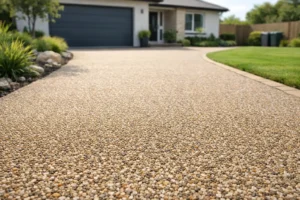
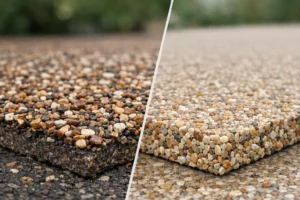
The first question is whether resin bound or resin bonded surfacing is the right solution. Resin bound surfacing combines dried decorative aggregate with UV-stable resin before it is hand trowelled onto the prepared base. The result is a smooth, attractive and permeable finish, making it a popular choice for driveways, patios, paths and courtyards.
Resin bonded surfacing applies resin to the base first, with aggregate scattered over the top. It creates a more textured, natural stone appearance and can offer strong grip. It is well suited to applications where a loose-stone look is preferred, although it is not the same fully bound, permeable system as resin bound surfacing.
The difference matters. Choosing on appearance alone can lead to the wrong specification, particularly where drainage, gradients or frequent vehicle movements are involved. Good resin suppliers explain the practical trade-offs before materials are ordered, rather than leaving those decisions to chance on installation day.
The Quality Behind a Long-Lasting Finish
Not all resin materials are equal, even when samples look similar at first glance. A lower-cost mix can be tempting, but weak binders, poorly graded aggregate or damp stone can compromise adhesion, colour consistency and durability. The most visible consequence may be discolouration or loose aggregate. The more serious consequence is a surface that needs remedial work long before it should.
For exterior projects, UV stability is a key consideration. A suitable UV-stable aliphatic resin helps protect the original colour and reduces yellowing caused by sunlight. Northern Ireland does not need Mediterranean temperatures for UV exposure to matter. Even a frequently overcast driveway is exposed to daylight all year round.
Aggregate quality is equally important. Decorative stone should be washed, kiln dried and graded for the intended system. Damp aggregate and resin do not combine reliably, while inconsistent grading can make trowelling more difficult and affect the final texture. The finished surface should look considered and even, not patchy or overloaded with resin.
A specialist supplier should also provide clear information on coverage rates, mixing ratios, curing times and storage. These details may sound technical, but they determine whether an installer has enough working time to lay the material correctly and whether the surface can cope with the conditions on site. Temperature, humidity and rain risk all affect resin work, so professional preparation and timing are essential.
Base Preparation Is Part of the Specification
The best resin product cannot rescue a failing base. Before choosing a colour blend or border detail, assess what sits beneath the finished surface. Existing concrete, sound tarmac and purpose-built porous bases can all be suitable in the right condition. Loose paving, cracked concrete, unstable ground and badly drained areas need attention first.
For driveways and other vehicle areas, the base must be stable enough to carry the load without movement. If the substrate cracks or flexes, that movement can transfer through the resin surface. A competent contractor will identify whether repairs, excavation or a new tarmac base are needed rather than applying a decorative layer over a known problem.
Drainage also deserves proper attention. Resin bound systems are valued for their permeability, but water still needs a suitable route through the construction beneath. On a poorly designed or compacted sub-base, surface water may not drain as intended. The right answer depends on ground conditions, levels, existing drainage and local requirements, which is why a site survey is far more valuable than a guess based on photographs.
Choosing a Supplier for Exterior Resin Projects
For a domestic patio or driveway, look beyond the swatch book. A reliable supplier should offer a range of proven aggregate blends, border options and system guidance without making the process unnecessarily complicated. The most successful designs often use a main blend with a contrasting edge that defines the shape of the space and ties in with the property.
There is room for creativity. Warm golds, contemporary greys, natural blends and striking black borders can all transform an entrance or garden route. Yet design should support the property rather than compete with it. A large open driveway may carry a bolder pattern, while a narrow path often benefits from a simpler blend that keeps the area feeling spacious.
Ask whether the supplier can support the whole project, including base preparation, material selection, installation and aftercare. Managing separate trades can create uncertainty over who is responsible if the finished surface does not perform. A specialist, turnkey service creates clearer accountability from the first consultation to the completed finish.
It is also sensible to ask about product provenance. Recognised resin brands and established systems provide greater confidence that binders, aggregates and application guidance have been developed to work together. This does not remove the need for skilled installation, but it gives the project a stronger starting point than unverified, mixed-source materials.
Resin Suppliers for Commercial and Industrial Floors
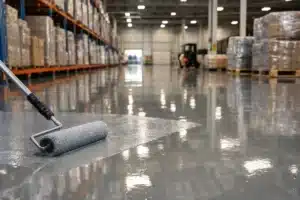
Commercial flooring calls for a different level of specification. A decorative restaurant entrance, healthcare setting, retail unit or production area may need a floor that is easy to clean, slip resistant, chemical resistant or capable of handling heavy use. In these environments, selecting by colour alone is not enough.
Epoxy, polyaspartic and MMA resin systems each have a place. Epoxy can provide a durable, attractive coating for many commercial and industrial environments. Polyaspartic systems offer rapid curing and strong performance where downtime must be kept to a minimum. MMA flooring is especially useful when speed is critical, including cold-weather work or projects where a fast return to service is required.
There are trade-offs. Faster curing systems can have a stronger application odour and need carefully controlled installation. A high-build coating may provide extra protection but may not be necessary for every setting. Slip resistance should be matched to the actual risks of the area, since an overly coarse finish can become harder to clean. The right supplier asks how the space operates before recommending a system.
For commercial clients, clear programme planning is as important as product choice. Floors may need to be completed outside trading hours, in sections or during planned shutdowns. A supplier and installer with practical project experience can coordinate preparation, repairs, coating stages and cure times to reduce disruption without cutting corners.
Questions Worth Asking Before You Buy
Before committing to materials or an installation, establish what system is being specified and why. Confirm whether the price includes preparation, primers, edging, drainage work and aftercare rather than assuming every element is covered. If a quotation appears substantially lower than another, the difference is often in the base work, resin quality or thickness of the finished layer.
You should also ask how the chosen surface will be maintained. Resin bound driveways and patios are low maintenance, not maintenance-free. Regular sweeping, occasional gentle cleaning and prompt removal of moss or organic debris will help preserve their appearance. Commercial resin floors need a cleaning regime suited to their finish and the contaminants present on site.
Surface King combines specialist resin supply with professional installation across Belfast and Northern Ireland, helping clients make these decisions before a project becomes expensive to change. From bespoke decorative stone finishes to high-performance commercial coatings, the focus should always be on a surface that looks right and performs properly.
The best result starts with a supplier prepared to look past the sample board. Choose the team that asks the right questions about your base, drainage, usage and design ambitions, then builds a specification around the way your property actually works.