A glossy epoxy floor can look exceptionally smooth, which leads many property owners to ask: is epoxy flooring slippery? The honest answer is that it can be, but it does not have to be. A professionally specified epoxy system can deliver excellent grip for its intended environment, whether that is a domestic garage, busy retail space, workshop, kitchen, warehouse or healthcare setting.
The finish, preparation and everyday use of the floor all matter. A high-shine epoxy coating with no added texture may become slippery when water, oil or cleaning products are present. Specify the correct anti-slip finish from the start, however, and epoxy becomes a hard-wearing, easy-to-clean surface built around practical safety as well as visual impact.
Is epoxy flooring slippery when wet?
Any hard, non-porous floor can become hazardous when wet. That includes polished concrete, ceramic tiles, vinyl and plain epoxy. The key difference is that epoxy flooring can be tailored with aggregate, texture and specialist topcoats to achieve the level of slip resistance required for the space.
In a dry domestic garage, a smooth decorative coating may be perfectly suitable. In a commercial entrance, food preparation area or industrial unit where wet footwear, spillages or regular washdowns are likely, a more textured system is usually the better choice. The aim is not simply to make a floor rough. It is to create controlled grip that supports safe movement without making cleaning unnecessarily difficult.
A quality installation also matters. Uneven texture, poor adhesion or an inappropriate topcoat can compromise both appearance and performance. Epoxy is a high-performing material, but it needs to be matched to the site rather than treated as a one-size-fits-all coating.
What makes an epoxy floor more or less slippery?
The slipperiness of epoxy is determined by more than its glossy appearance. Several practical factors influence how the surface performs underfoot.
The finish chosen
A high-gloss, smooth finish reflects light well and creates a clean, contemporary appearance. It is popular in showrooms, garages and areas where presentation is a priority. Yet smooth finishes offer less mechanical grip than a textured alternative, particularly once water or oil is introduced.
A satin or matt finish can reduce visual glare, while an anti-slip topcoat provides greater traction. Neither option means sacrificing a polished result. Modern resin systems can be specified in a broad range of colours and finishes, including decorative flake blends and quartz systems that add depth as well as surface texture.
Anti-slip aggregate
Fine mineral aggregate, aluminium oxide, quartz or polymer beads can be incorporated into the coating to increase grip. The grade and quantity are selected according to the environment. Fine aggregate gives a subtle texture suited to lower-risk spaces, while a more pronounced finish may be needed for wet work areas, ramps, loading zones or industrial environments.
There is a trade-off. The more aggressive the anti-slip profile, the more dirt it can hold and the more attention it may require during cleaning. This is why correct specification is so valuable. A warehouse pedestrian route needs a different finish from a restaurant floor or a private garage.
Contaminants on the surface
Epoxy itself is non-porous, which is one reason it is so easy to clean. It also means standing water, oil, grease and certain cleaning residues remain on the surface rather than soaking in. If they are not dealt with promptly, they can reduce grip.
In garages and workshops, drips from vehicles, lubricants and wet tyres are common. In commercial premises, rainwater at entrances and overspray from cleaning can create similar issues. Matting, drainage, clear cleaning procedures and an appropriate anti-slip coating all help manage these risks.
Wear and maintenance
A well-installed epoxy floor is durable, but heavy traffic, dragging equipment and harsh cleaning chemicals can eventually affect its top layer. If the anti-slip finish becomes worn, it may need recoating to restore the intended grip.
Regular inspection is particularly worthwhile in factories, hospitality venues and public-facing premises. Keeping the floor clean is not only about presentation. It prevents residues from building up and helps the surface perform as designed.
Choosing the right epoxy finish for each space
The best epoxy flooring system depends on how the area is used, who uses it and what lands on the floor every day. A clear brief at the beginning avoids the common mistake of choosing a finish based on appearance alone.
For domestic garages, utility areas and workshops, epoxy offers a major upgrade over dusty concrete. It resists staining, brightens the room and makes routine cleaning straightforward. A lightly textured or decorative flake finish is often an excellent balance between grip, comfort and visual impact. If vehicles are parked inside, it is sensible to choose an anti-slip option that accounts for wet tyres and occasional oil drips.
For retail, hospitality and office settings, the priority is usually a surface that looks sharp, handles footfall and remains easy to maintain. A satin or decorative resin floor with subtle slip resistance can offer the right balance. Entrances may need additional protection from rainwater, particularly during a Northern Ireland winter when wet footwear is unavoidable.
For industrial and commercial facilities, the specification should take a closer look at operational demands. Forklift routes, wet processes, spillages, chemicals, temperature changes and cleaning regimes all affect the choice of resin. Epoxy may be combined with broadcast aggregate, line marking or designated safety zones to create a floor that works hard while remaining clear and professional in appearance.
Food production, commercial kitchens and healthcare settings demand particular care. Hygiene is essential, but so is safe traction during frequent cleaning and wet use. In these environments, the right resin system may involve a more specialised anti-slip profile, carefully detailed edges and drainage points, and a maintenance plan that supports daily operation.
How to improve grip on an existing epoxy floor
If an existing epoxy floor feels too smooth, the solution is not always a full replacement. In many cases, a professional contractor can prepare the surface and apply a compatible anti-slip topcoat. This can improve traction while refreshing the appearance and extending the life of the floor.
The existing condition needs to be assessed first. Areas with peeling, cracking, contamination or moisture-related failure may require more substantial preparation before any new coating is added. Simply coating over a poorly bonded floor will not produce a reliable result.
For lower-risk areas, practical measures can also help. Keep spillages under control, use suitable entrance matting, avoid leaving standing water after cleaning and select cleaning products that do not leave a slippery film. In workplaces, clear signage and staff procedures are equally valuable where temporary wet conditions cannot be avoided.
Epoxy versus other flooring options for slip resistance
Epoxy is neither automatically more slippery nor automatically safer than every alternative. It is a flexible system whose performance depends on specification. This is one of its strongest advantages.
Polished concrete can be attractive and durable, but it may become slippery when wet unless it receives a suitable treatment. Ceramic tiles can offer excellent grip in textured formats, although grout lines require more maintenance and may collect dirt. Vinyl safety flooring provides good traction in many commercial settings, but it may not offer the same level of impact resistance or design flexibility as a resin system.
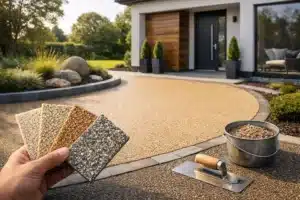
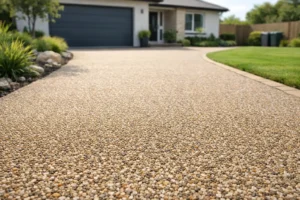
Resin-bound surfacing is another strong option for exterior pedestrian areas because its open structure allows water to drain through. It is a different system from epoxy and is generally chosen for driveways, paths, patios and courtyards rather than indoor industrial floors. Selecting the right material starts with understanding the environment, not forcing one product into every application.
Why professional specification matters
The best-looking floor is not always the best-performing one for the job. A specialist should consider the condition of the substrate, moisture levels, expected traffic, cleaning routine, slip risk and desired finish before recommending a system. These details affect adhesion, durability and safety long after installation day.
At Surface King, resin flooring is approached as a complete surface solution rather than a quick coating job. The right preparation, materials and finish create a floor that is easier to maintain, built for the setting and designed to make a strong visual impression.
A smooth epoxy floor may suit a dry, controlled space beautifully. Where moisture, oil or intensive use are part of the picture, an anti-slip epoxy finish gives you the same clean, durable foundation with the confidence of better underfoot grip. A short conversation about how your space operates is often the first step towards a floor that looks right and works harder every day.