A driveway usually tells you when it has had enough. The surface starts breaking up, puddles sit where they should drain away, weeds push through joints, and the whole front of the property looks tired even when the rest is well kept. If you are weighing up how to resurface an old driveway, the right answer is not always to rip everything out and start again. In many cases, the smarter route is to assess the existing base properly, repair what needs repairing, and install a new surface that improves both appearance and long-term performance.
That approach matters because resurfacing is only as good as what sits underneath it. A fresh finish can transform kerb appeal, but if the sub-base is unstable or the drainage is poor, even the best-looking driveway will start to fail early. The difference between a short-term patch and a proper upgrade is in the preparation.
How to resurface an old driveway without wasting money
The first step is to identify what kind of driveway you already have and what condition it is really in. Old tarmac, concrete, block paving and gravel all age differently. Some surfaces can be overlaid successfully. Others need sections cut out, repaired or fully replaced before a new finish goes down.
Hairline cracks in concrete are not the same as widespread movement. Faded tarmac is not the same as crumbling edges and dips. A driveway that looks worn may still have a strong structure underneath, which is good news if you want to avoid unnecessary excavation. On the other hand, if vehicles have caused rutting, the surface feels loose underfoot, or water sits against the house, resurfacing alone will not solve the bigger problem.
This is why a proper site assessment comes first. You need to check for loose areas, poor drainage, broken edges, oil contamination, frost damage and any signs that the base has failed. It is also worth thinking about levels. If you add a new surface on top of the old one, will you create issues at the garage threshold, front door or pavement edge? A driveway should look better after resurfacing, but it also needs to work better.
Start with the base, not the top coat
Homeowners often focus on the finish because that is the visible part. The real performance comes from the groundwork. If the existing base is sound, resurfacing can be efficient and cost-effective. If the base is poor, covering it up simply hides defects for a while.
A stable base should be firm, well compacted and free from significant movement. Localised repairs may be enough where there are isolated weak spots. That could mean cutting out failed sections, rebuilding them correctly and tying them back into the surrounding area. Cracks may also need routing and filling, depending on the surface type and the severity.
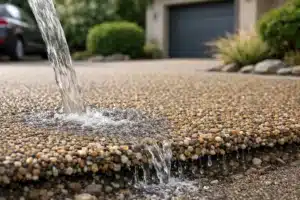
Drainage is another area where compromises cause problems later. If water already struggles to run off, resurfacing should be the point where the issue is corrected, not ignored. Standing water shortens the life of many surfaces and quickly spoils the finished look. Falls, channels and edge detailing all need to be considered before the new material is installed.
Choosing the right surface for an old driveway
Once the existing driveway has been assessed, the next question is what you want the new surface to achieve. Some customers want a clean visual upgrade. Others want less maintenance, stronger durability, better slip resistance or a premium finish that lifts the whole property.
Traditional options like fresh tarmac or replacement block paving can work, but they are not always the best fit for an ageing driveway. Tarmac gives a practical, neat result, though it can look fairly plain and may soften in high heat or mark over time. Block paving offers design flexibility, but joints can invite weed growth and movement if the base or edge restraint is not right.
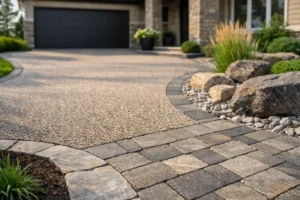
For many older driveways, resin-bound surfacing is a strong upgrade because it combines appearance with performance. It delivers a smooth, decorative finish, works well with a wide choice of aggregate colours, and creates a cleaner, more contemporary look than many older materials. It is also low maintenance compared with surfaces that trap dirt or allow weeds to establish easily.
That said, resin is not a magic fix for every site. The suitability depends on the condition of the existing base and the system being specified. Resin-bound systems need a sound substrate and correct installation standards. If that is in place, they can transform a dated entrance into a durable, attractive feature that adds real kerb appeal.
Preparation is where good resurfacing is won
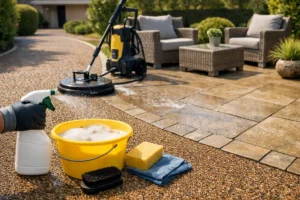
If you want to know how to resurface an old driveway properly, most of the answer lies in preparation. The surface must be cleaned thoroughly, with moss, algae, dirt, loose material and contamination removed. Oil spots are especially important because they can affect adhesion and stain through some finishes.
Repairs come next. Cracks, potholes, edge breakdown and uneven sections should be dealt with before any overlay or topping is applied. This is also the stage to adjust drainage, redefine edges and make sure the levels are right across the whole area.
Priming or bonding layers may be needed depending on the existing surface and the new system being installed. That is one reason DIY resurfacing can go wrong. People often see the top layer as the job, when in reality the compatibility between old and new materials is what decides whether the surface lasts. A professional installer will match the preparation method to the substrate, traffic level and finish selected.
When resurfacing works well – and when replacement is better
Resurfacing is usually the right move when the driveway is cosmetically worn but structurally decent. If the base is solid and the issues are limited to surface ageing, minor cracking or outdated appearance, resurfacing can produce a major visual improvement without the higher cost and disruption of a full rebuild.
Replacement becomes the better option when there is widespread sinking, severe cracking, failed drainage, soft spots or repeated patch repairs across the whole area. In those cases, resurfacing may still make the driveway look better for a period, but it will not give you the reliability you expect from a long-term investment.
This is where a specialist view matters. The cheapest quote is not always the most economical route if it skips the repairs that the base actually needs. Equally, a full replacement is not always necessary just because a driveway looks old. The right recommendation should be based on condition, use and the finish you want to achieve.
How to resurface an old driveway for a better finish
If visual transformation matters as much as durability, your choice of finish and detailing makes a real difference. Borders, contrasting aggregate colours, step edges and clean transitions at gates or paths can turn a tired frontage into something far sharper and more considered. A resurfaced driveway should not look like a cover-up. It should look like a planned upgrade.
Resin-bound systems are particularly effective here because they allow for a bespoke appearance without losing the practical benefits of a hard-wearing surface. A well-installed resin driveway can brighten the front of a property, complement brickwork and render, and create a finish that feels high quality from the moment you arrive.
For landlords and property improvers, that matters beyond personal preference. A cleaner, newer driveway adds perceived value and helps the whole exterior feel better maintained. For commercial properties, the same principle applies. A smart, easy-to-clean surface creates a stronger first impression and reduces the tired, patchwork look that old surfacing often creates.
Why professional installation usually pays off
There is a big difference between laying a new surface and installing one that will still perform years down the line. Resurfacing an old driveway is not just about materials. It is about diagnosing the existing condition, preparing the area properly, getting the falls right and applying the chosen system to the right standard.
That is especially true with specialist resin finishes. The mix, weather conditions, substrate preparation and installation timing all affect the result. Get those details right and the driveway looks sharp, performs well and stays easier to maintain. Get them wrong and defects show up far sooner than they should.
A specialist contractor will also help you weigh the trade-offs. If your base is strong, resurfacing may be the efficient route. If certain sections are beyond repair, a partial rebuild may protect the rest of the investment. If design matters, the finish should be chosen around the property, not picked in isolation. That is the value of a consultation-led approach rather than a one-size-fits-all quote.
At Surface King, that is exactly how we view old driveways – not as a surface to cover, but as an opportunity to deliver a durable, high-quality transformation built on the right preparation.
If your driveway is looking past its best, resist the urge to judge it by the top layer alone. The best resurfacing projects start with an honest look at what is underneath, then build towards a finish that improves both the appearance and the performance of the space.