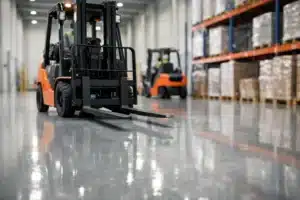
A factory floor is not simply a concrete slab. It is a working surface exposed to forklift traffic, dropped tools, oil, chemicals, cleaning regimes and constant footfall. The right protective floor coatings for factories turn that vulnerable base into a clean, hard-wearing surface designed around the way your operation actually runs.
For facilities managers and manufacturing decision-makers, the aim is rarely just to make the floor look better. It is to reduce dust, improve safety, make cleaning faster and avoid disruption caused by damaged concrete. A professionally specified resin floor can achieve all of this while also giving the workplace a sharper, more organised appearance.
Why bare concrete is a costly weak point
Concrete is strong, but it is not naturally sealed. Over time, abrasion opens its surface, allowing dust, moisture, oils and contaminants to penetrate. In a busy production or storage area, that can lead to staining, cracking, surface breakdown and difficult cleaning conditions.
Concrete dust is more than a cosmetic issue. It can affect stock, machinery and air quality, while loose or damaged areas create trip risks and make vehicle movement less predictable. Where oils, water or process liquids are present, an untreated floor can also become slippery quickly.
A protective resin coating creates a continuous barrier over the substrate. It helps contain dust, resists everyday contamination and gives teams a surface that can be cleaned properly rather than endlessly patched. The visual improvement matters too. Clear walkways, defined work zones and a consistent finish help a factory feel controlled, professional and ready for inspection.
Choosing protective floor coatings for factories
There is no single coating that suits every factory. The best choice depends on the condition of the concrete, the type of traffic, the chemicals used on site, temperature changes and how much downtime is available for installation.
Epoxy flooring for durable everyday performance
Epoxy is a popular choice for factories, workshops, warehouses and production areas because it creates a tough, attractive and easy-to-clean finish. It can be supplied in a wide range of colours and can include safety line marking, bays, borders or branded design elements.
A high-quality epoxy system is particularly effective where a site needs good resistance to vehicle traffic, scuffs and common industrial spills. It is often used to improve older concrete floors that have become dusty, stained or difficult to maintain.
The trade-off is curing time. Epoxy generally needs more time before the area can return to service than fast-curing resin alternatives. This is not necessarily a problem on a planned refurbishment, but it needs to be considered carefully where production cannot stop for long.
MMA systems when downtime must be kept low
Methyl methacrylate, usually known as MMA, is designed for fast return to service. It can cure rapidly, including in cooler conditions where other resin systems may be less practical. That makes it a strong option for active factories, loading areas and commercial spaces where shutting down a section of the floor for several days is not realistic.
MMA systems can be highly durable and can be built with textured finishes to improve slip resistance. Their fast installation programme can reduce operational disruption significantly, although the material has a distinctive odour during application. Good planning, ventilation and an experienced installation team are essential.
Polyaspartic coatings for speed and appearance
Polyaspartic resin coatings offer a fast-curing, hard-wearing alternative that works well where a clean, high-specification finish is required with limited downtime. They can provide excellent resistance to wear and staining, alongside strong colour retention in areas exposed to daylight.
This makes polyaspartic flooring suitable for manufacturing facilities with customer-facing zones, showrooms, workshops and areas that need to reopen quickly. As with any system, performance relies on correct preparation and matching the resin build-up to the demands of the site.
Build safety into the floor, not around it
A smooth resin finish is easy to clean, but factories do not always need a completely smooth floor. Areas exposed to water, oil, powders or frequent washdowns may require an anti-slip texture. The right level matters.
Too little texture may leave a floor unsuitable in wet conditions. Too much texture can make cleaning more difficult and may increase wear on wheels, pallets and cleaning equipment. A specialist specification considers the risk in each area rather than applying one finish across the whole building.
Different zones can have different requirements. A production line may need chemical resistance, a dispatch area may need extra durability under forklift traffic, and pedestrian routes may benefit from contrasting colours and anti-slip aggregate. Marked walkways, exclusion zones and loading bays can be integrated into the coating system for a neater, longer-lasting result than painted lines applied later.
Preparation decides how long the coating lasts
The resin itself is only part of the job. The real foundation of a long-lasting factory floor is substrate preparation. If the concrete is weak, contaminated or damp, applying a coating over it without addressing those issues will not deliver the performance the system is capable of.
Professional preparation may involve mechanical grinding, shot blasting, repairs to cracks and joints, removal of old coatings, and moisture testing. The aim is to create a clean, sound profile that allows the resin to bond correctly.
This stage can uncover issues that are easy to miss during an initial walk-through. Oil-contaminated concrete, failed screeds and moisture vapour can all affect the specification. Addressing them early is far more cost-effective than repairing a floor after premature failure.
Plan installation around the way your factory works
The best industrial flooring projects are planned with operations in mind. That means identifying access routes, machinery locations, curing windows, loading schedules and any areas that cannot be taken out of use at the same time.
In many cases, a factory floor can be completed in phases. This allows stock, equipment or production to move into a completed section while work continues elsewhere. Fast-curing MMA or polyaspartic systems can be particularly useful where phased working is necessary, although epoxy may still offer the right balance of performance and budget for a planned shutdown.
Before work begins, it is worth agreeing practical details such as edge protection, movement joints, drainage falls and the location of floor markings. These decisions shape the finished surface and help avoid costly changes once installation is under way.
Appearance still has a role in industrial flooring
A factory does not need decorative flooring in the same way as a reception area, but appearance should not be dismissed. A clean, well-finished floor supports staff pride, presents better to visitors and gives customers confidence that the site is managed to a high standard.
Colour zoning is useful as well as visual. It can separate production from storage, highlight pedestrian routes and make safety procedures easier to follow. For businesses with open days, trade customers or client inspections, a professionally finished floor reinforces the quality of the operation behind it.
Surface King specifies and installs industrial resin systems that balance this visual impact with the practical demands of working environments. The focus is on a surface that looks sharp on day one and remains easier to maintain through years of daily use.
What to ask before approving a factory floor coating
The lowest initial price is not always the lowest long-term cost. A thin coating may look acceptable at handover but struggle under heavy traffic or fail where preparation has been rushed. Ask how the concrete will be assessed, what preparation method will be used, how long each area will be out of service and what level of chemical and slip resistance the proposed system provides.
It is also sensible to discuss maintenance. Resin floors are low-maintenance, not maintenance-free. Routine sweeping, prompt spill removal and suitable cleaning products will protect the finish and help it perform as intended. A good installer should explain what your team needs to do after handover, not simply leave a new floor behind.
The right coating begins with a clear understanding of what happens on the floor every day. Arrange a site assessment before selecting a system, and your factory can gain a safer, cleaner and more dependable surface without paying for performance it does not need.