A new driveway or patio should do more than cover tired concrete. It should sharpen the look of the property, cope with Northern Ireland weather and remain practical when wet, muddy shoes and daily traffic arrive. Knowing how to choose resin bonded surfacing starts with understanding what the system is designed to do – and whether it suits the space beneath it.
Resin bonded surfacing delivers a textured, natural-stone appearance that can transform driveways, footpaths, courtyards and feature areas. The right finish depends on more than choosing a colour sample. Aggregate size, base condition, drainage, expected use and installation quality all affect how the finished surface performs.
What resin bonded surfacing is – and what it is not
Resin bonded surfacing is created by applying resin to a prepared base and scattering decorative aggregate over the top. Once cured, the stone is bonded into the resin, producing a hard-wearing, textured finish with the character of loose gravel but far greater stability.
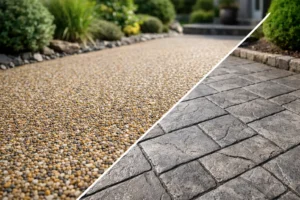
It is often confused with resin bound surfacing, but the two systems behave differently. With resin bound paving, the aggregate and resin are mixed together before being hand-trowelled onto the base. This creates a smooth, generally permeable surface when laid over a suitable permeable construction. Resin bonded surfacing has a more pronounced stone texture and is usually laid onto a solid, non-permeable base such as tarmac or concrete.
Neither option is automatically better. Resin bonded can be an excellent choice where grip, visual texture and a traditional gravel-style finish are priorities. Resin bound may be preferable where permeability, a smoother feel underfoot or wheelchair and pushchair access are central to the brief. A specialist should assess the site rather than simply recommending the same product for every property.
How to choose resin bonded surfacing for the right area
Start with how the surface will be used. A front path carrying foot traffic has different demands from a driveway used by two vehicles every day. A courtyard at a hospitality venue needs to look smart, but it also needs a finish that supports safe movement in wet conditions and can be cleaned without difficulty.
For residential driveways, consider vehicle weight, turning movements and whether cars regularly stop in the same position. Repeated wheel action places stress on any decorative surface, particularly where the base is weak or has existing movement. For paths and patios, think about the amount of shade, nearby trees, muddy garden access and how much texture feels comfortable underfoot.
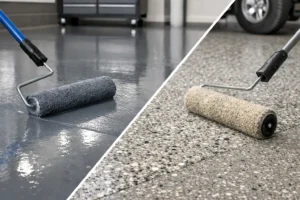
Resin bonded finishes are particularly effective for sloping paths, entranceways and areas where a more textured surface is welcome. However, they are not the ideal solution for every commercial floor. Indoor industrial settings, workshops and high-traffic service areas may require purpose-designed epoxy, MMA or polyaspartic resin flooring instead, depending on chemical exposure, hygiene requirements and downtime allowances.
Choose aggregate for performance as well as colour
Decorative stone is the visual centrepiece of a resin bonded surface, but it also influences grip, maintenance and the overall feel of the area. Smaller aggregate can create a finer appearance, while larger stone gives a bolder texture. The right choice should suit the scale of the property and the way the surface will be used.
A warm golden aggregate can lift a traditional home, while silver, charcoal and black blends can give a contemporary driveway a sharper edge. Multi-coloured blends are often forgiving around dust, tyre marks and garden debris, whereas pale finishes can look striking but may show dirt more readily in busy areas.
Ask to see physical samples in natural daylight. Stone can appear very different outdoors than it does in a brochure or showroom. Consider the brickwork, render, fencing, gates and surrounding landscape, then choose a blend that complements the property rather than competing with it. Borders in a contrasting aggregate can also define parking bays, frame a path or create a more bespoke entrance.
The base decides whether the finish lasts
The most attractive aggregate will not compensate for a poor base. Before installation, the existing surface must be checked for cracks, soft spots, standing water and movement. Resin bonded surfacing needs a stable, clean and properly prepared foundation to achieve reliable adhesion.
Sound tarmac is often a suitable base, provided it has fully cured and is free from damage. Concrete can also work well, but it must be dry, structurally sound and prepared with the correct primer. Loose paving slabs, crumbling concrete and badly cracked tarmac should not simply be coated over in the hope that resin will hide the problem. They need repair or replacement first.
This is where a consultation-led approach matters. A professional installer should inspect levels, identify drainage routes and explain whether base repairs or a new tarmac foundation are needed. It may add work at the beginning of the project, but it avoids paying for a decorative finish that is compromised by movement below it.
Do not overlook drainage
Northern Ireland’s rainfall makes drainage a practical design issue, not an afterthought. Because resin bonded surfacing is normally installed over an impermeable base, rainwater must have somewhere to go. The finished area should fall correctly towards suitable drainage, a channel drain or a managed run-off point, without directing water towards the house or a neighbouring property.
If your priority is a surface that allows water to pass through it, ask whether a resin bound system with a permeable base is more appropriate. Planning requirements, ground conditions and the size of the area can all influence that decision. The right answer depends on the full construction, not just the surface layer.
Look for the right resin system and installation process
Quality resin matters, particularly outdoors. A suitable UV-stable system helps protect the appearance of the surface over time, reducing the risk of discolouration and premature deterioration. The aggregate should also be clean, dry and correctly graded so that it bonds properly and produces a consistent finish.
Installation conditions matter just as much. Resin has working times and curing requirements that can be affected by temperature, moisture and weather. A professional team will plan the work around site conditions, prepare edges carefully and ensure the resin coverage is even before broadcasting the aggregate.
Ask prospective installers what preparation is included, how they deal with existing cracks and drainage, what aggregate and resin system they use, and what aftercare they recommend. A clear answer is a good sign. Vague promises of a quick overlay without discussing the condition of the base should raise questions.
Surface King approaches resin projects as complete surface transformations, from base preparation and tarmac work to the final stone finish. That means the design can be matched to the demands of the property instead of treating the decorative layer as a standalone product.
Consider maintenance before settling on a finish
Resin bonded surfacing is low maintenance, but it is not maintenance-free. Regular sweeping removes leaves, grit and organic debris before it builds up. Occasional gentle cleaning will help preserve the colour and keep the area looking cared for, especially in shaded locations where moss or algae may develop.
Some loose aggregate can appear over time, particularly in heavily used areas, and this is one of the trade-offs of the resin bonded system. Promptly dealing with damaged patches or worn sections helps protect the surrounding finish. Avoid aggressive pressure washing and harsh chemicals unless they have been confirmed as suitable for the resin system.
For landlords and commercial operators, choose a stone blend and texture that will remain presentable between cleaning visits. For homeowners, think honestly about how much upkeep you are willing to carry out. A practical mid-tone aggregate can be the smarter long-term choice than a very pale finish that demands frequent attention.
Set the brief before requesting a quotation
A useful quotation begins with a clear brief: the area size, intended use, preferred colour family, existing base and any drainage concerns. It is also worth deciding whether you want a simple single-colour finish or a more tailored design with borders, curves, patterns or defined zones.
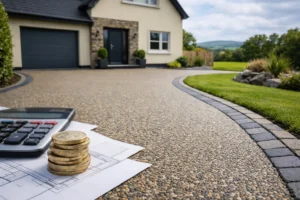
Do not compare quotes on price alone. Check what is included in preparation, edging, drainage alterations, materials, waste removal and aftercare. A lower figure can quickly lose its appeal if essential base work has been excluded. The best value is a surface that looks exceptional on day one and is built to stay that way.
Your driveway, patio or path is one of the first things people notice about a property. Choose a resin bonded finish that works with the building, the weather and the way you live, then give the groundwork the same attention as the stone. That is where a visually impressive surface becomes a dependable one.