A tired patio usually shows its age long before it actually fails. Stained slabs, loose joints, patchy colour and standing water can make the whole garden feel neglected, even when the rest of the property is well kept. That is why the best patio resurfacing ideas are not just about appearance. The right surface can sharpen the look of your outdoor space, reduce maintenance, improve drainage and give you a finish that feels built for modern use.
For homeowners and landlords across Belfast and Northern Ireland, resurfacing often makes more sense than a full rip-out. If the existing base is sound, you can achieve a major visual upgrade without starting from scratch. The key is choosing a system that suits how the space is used, what condition the current patio is in and how much upkeep you are prepared to take on over time.
What makes the best patio resurfacing ideas worth it?
A patio is more than a seating area. It frames the back of the property, links indoor and outdoor living and often sets the tone for the whole garden. When the surface looks dated or worn, the space immediately feels less inviting.
Resurfacing is attractive because it can solve multiple problems at once. It can cover cosmetic wear, refresh the style, create a more slip-resistant finish and, in some cases, improve permeability so rainwater drains more effectively. That matters in a climate where wet weather is part of the equation for most of the year.
Not every patio needs the same answer, though. Some surfaces are ideal for a decorative transformation. Others are better when durability and low maintenance are the main priorities. A good result starts with an honest assessment of the existing patio, especially the base, drainage and any movement or cracking.
1. Resin bound surfacing for a premium finish
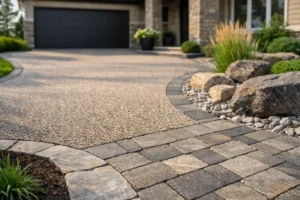
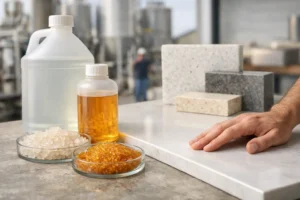
If you want one of the strongest all-round patio upgrades available, resin bound surfacing sits near the top of the list. It combines natural aggregate with a clear resin to create a smooth, attractive and permeable finish that looks refined and performs well.
For domestic patios, the appeal is obvious. You get a clean, contemporary surface with a wide choice of aggregate blends, border details and colour tones. It works particularly well where clients want a patio that feels more bespoke than standard paving but still practical enough for day-to-day use.
Performance is a major part of its value. A professionally installed resin bound patio is hard-wearing, easy to clean and less likely to encourage weed growth through joints because there are no traditional pointing lines. It is also porous, which helps water drain through the surface instead of sitting on top. That can be a major advantage in wet conditions.
The trade-off is that preparation matters. Resin bound systems are only as good as the base beneath them, so any weak or unstable substrate needs to be addressed first. It is not the cheapest option, but for visual impact, longevity and low maintenance, it is one of the best long-term investments.
2. Resin bonded finishes for texture and grip
Resin bonded surfacing is often confused with resin bound, but the finish and application are different. With resin bonded systems, the resin is applied to the base and aggregate is scattered on top, creating a textured surface.
This can work well where a more traditional stone appearance is wanted, or where extra surface texture is useful. It delivers a decorative look and can help refresh old concrete or similar hard standings. However, it is not porous in the same way as resin bound, so drainage needs to be considered carefully.
It can be a strong choice for specific projects, especially where appearance and grip are key. That said, if permeability and easier cleaning are high on your list, resin bound is often the stronger option for patios.
Best patio resurfacing ideas for old concrete patios
Concrete patios are common, and many of them become stained, cracked or dull rather than structurally unsound. That creates a good opportunity for resurfacing rather than full replacement.
3. Decorative coating systems over existing concrete
A specialist coating system can revive an old concrete patio quickly and effectively when the slab is fundamentally stable. This approach is suited to surfaces that are visually poor but still serviceable underneath.
The big advantage is efficiency. You can achieve a fresh, cleaner-looking finish without the disruption of lifting and disposing of the entire patio. Depending on the system used, coatings can improve appearance, surface protection and ease of maintenance.
This option does have limits. It will not hide active movement or serious substrate failure, and the final look is usually simpler than a full resin aggregate finish. Still, for straightforward refurbishment, it can be a smart, cost-conscious route.
4. Patterned overlays for a new look without a full rebuild
For some patios, a patterned overlay can provide a complete style shift. This involves applying a resurfacing layer that changes the visual finish of the concrete beneath, sometimes imitating stone, slate or other decorative effects.
The result can be dramatic, especially on large patios where the existing slab is plain and tired. It is a way to make the area feel redesigned rather than merely repaired.
The key consideration is whether the style will age well. Some patterned finishes can look dated faster than cleaner, more natural surfaces. If you are improving a property with resale value in mind, it is worth choosing a finish that feels timeless rather than trend-led.
5. Porcelain over a prepared base
If the current patio is beyond cosmetic repair but you still want a premium surface, laying porcelain over a properly prepared new base is a strong option. Technically this moves closer to replacement than resurfacing, but it is often considered during the same decision-making stage.
Porcelain gives a sharp, modern appearance and excellent stain resistance. It is popular with homeowners who want a crisp architectural look and minimal ongoing maintenance. It also works well in contemporary gardens where clean lines matter.
The downside is that it is less forgiving than some resin systems when it comes to installation quality. Poor preparation or bad laying practice can lead to movement issues and disappointing results. It also lacks the permeability of resin bound unless drainage is designed separately.
6. Natural stone overlays for a traditional finish
For period properties or gardens with a more classic character, natural stone can still be the right answer. Sandstone and similar materials remain popular because they bring warmth and variation that manufactured finishes sometimes cannot match.
As a resurfacing idea, stone makes sense when the design priority is character. It can soften the look of a patio and create a more established feel. For landlords and property improvers, it may also suit homes where a premium but traditional appearance is likely to appeal to buyers or tenants.
It does come with more maintenance. Natural stone can weather unevenly, may require sealing in some cases and usually needs more ongoing attention than resin. If low upkeep is the brief, this may not be the front-runner.
7. Microcement for contemporary courtyard spaces
Microcement is more commonly discussed for interiors, but it can also be considered for sheltered or design-led outdoor areas. It offers a smooth, minimalist look that suits compact patios and courtyards where a modern, understated finish is the goal.
This is a more niche solution and not always the best fit for exposed gardens in Northern Ireland. Weather exposure, substrate quality and the exact specification all matter. In the right setting, it can look excellent. In the wrong one, it can be a style-first choice that demands more care than many clients expect.
8. Repointing and sealing as a light-touch refresh
Not every patio needs a full resurfacing system. If the slabs themselves are still attractive, a lighter refurbishment involving professional cleaning, repointing and sealing may be enough to bring the area back to life.
This approach suits patios that are structurally sound but have lost their finish through grime, faded joints or minor surface wear. It is the least transformative option visually, but also the least disruptive. For some properties, that is all that is needed.
It is best seen as maintenance rather than a full upgrade. If you are aiming for a substantial design change or improved drainage performance, a more complete resurfacing solution will usually deliver better value.
How to choose between patio resurfacing options
The right choice comes down to three things: the condition of the existing patio, the look you want and the level of maintenance you are willing to accept. If the base is solid and you want a premium decorative finish with practical performance, resin bound is hard to beat. If you prefer a more traditional style, stone or porcelain may be a better visual match.
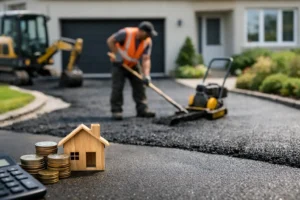
Budget matters, but so does lifespan. A cheaper short-term fix can become expensive if it fails early or still leaves you with drainage problems and surface wear. It is usually better to invest in a system that suits the patio properly than to choose purely on upfront cost.
Professional assessment makes a real difference here. A specialist contractor will tell you whether resurfacing is realistic or whether hidden issues in the substrate need to be addressed first. That clarity protects the finish and the investment.
For clients who want a patio that looks sharper, lasts longer and works better in everyday British weather, the best results come from choosing a specialist surface rather than a cosmetic quick fix. A well-specified patio should not just cover up an old problem. It should leave you with an outdoor space that feels finished, reliable and ready to use.