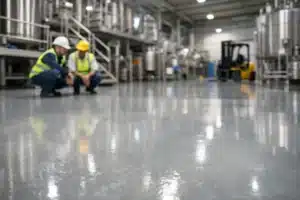
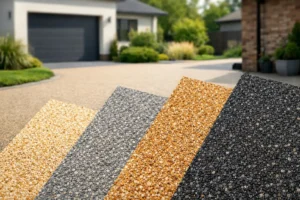
A worn warehouse floor, stained commercial kitchen or cracked factory walkway can quickly become more than a cosmetic issue. It affects cleaning standards, safety and the impression your premises gives to customers and staff. Fast drying floor coatings are designed for exactly this situation: they provide a hard-wearing resin finish without forcing a business to close an area for several days.
For facilities managers, retailers, hospitality venues and industrial operators across Northern Ireland, speed matters. But a fast return to service should never mean accepting a poor-quality floor. The right system combines rapid curing with dependable adhesion, chemical resistance and a finish suited to the way the space is actually used.
Why fast drying floor coatings make commercial sense
Conventional flooring repairs can create a difficult operational gap. A concrete floor may need extensive preparation, multiple coating layers and a long cure before it can take foot traffic, trolleys, pallet lorries or vehicles. In a busy site, every extra hour of closure can disrupt deliveries, production schedules, customer access and staff routines.
Rapid-curing resin technology changes that calculation. Depending on the chosen material, site conditions and floor specification, a treated area can often return to light traffic within hours rather than days. That makes fast-drying systems particularly valuable for overnight works, planned maintenance windows, refurbishment projects and urgent repairs.
The financial benefit is not simply about getting the work finished sooner. It is about protecting trading time. A shop can reopen its stockroom, a hospitality venue can prepare for service, or a manufacturing business can reinstate a critical route with less disruption to normal operations.
There is a practical balance to strike. The quickest coating is not automatically the best coating for every floor. A loading bay receiving heavy vehicles needs a different build-up from a retail back-of-house area. Good specification starts with the substrate, expected traffic, moisture levels, cleanliness requirements and the available installation window.
Choosing the right rapid-curing resin system
Fast drying is a broad term. Different resin systems cure at different speeds and offer distinct advantages. Surface King advises on flooring systems based on performance first, then finish, so the result suits the premises rather than following a one-size-fits-all approach.
MMA coatings for minimal downtime
Methyl methacrylate, usually known as MMA, is a leading choice where downtime must be kept to an absolute minimum. MMA resin can cure rapidly, including in cooler conditions where some other systems slow down. This makes it a strong option for industrial units, cold stores, food environments, retail premises and external or semi-external working areas.
An MMA floor can be specified with a smooth, decorative or slip-resistant texture. It can also be repaired in localised areas without necessarily replacing the entire floor. That flexibility is useful where a damaged section is creating a trip risk or allowing dirt, water and contaminants into the concrete below.
MMA does have a distinctive odour during installation, so ventilation and careful planning are essential. For occupied buildings, the application programme must take account of neighbouring spaces and trading hours. The short cure time is a major advantage, but professional installation and site management remain vital.
Epoxy systems for durable protection
Epoxy remains a trusted solution for commercial and industrial flooring. It creates a durable, easy-to-clean surface that can improve the appearance of tired concrete while helping to protect it from dusting, oils, stains and routine wear.
Some epoxy systems are formulated to cure more quickly than traditional products, making them suitable where a short shutdown is available but the extreme speed of MMA is not required. Epoxy can be an excellent fit for workshops, warehouses, showrooms, plant rooms, storage areas and commercial kitchens, subject to the right anti-slip and chemical-resistance specification.
The condition of the concrete is especially important with epoxy. Damp, contaminated or weak substrates can compromise adhesion, regardless of how premium the coating itself may be. Proper mechanical preparation is not an optional extra. It is what allows the resin to bond securely and perform over the long term.
Polyaspartic coatings for speed and appearance
Polyaspartic systems offer another high-performance route where rapid cure, colour stability and a polished appearance are priorities. They are often selected for spaces that need to look as good as they perform, including retail settings, showrooms, commercial entrances and high-end garages.
These coatings can offer excellent UV stability, helping the selected colour remain more consistent in areas exposed to daylight. They can also be combined with decorative flakes, coloured quartz or line marking to create a defined, professional finish.
As with all flooring systems, application conditions matter. Temperature, humidity, substrate moisture and mixing accuracy affect working times and the final result. The fastest materials can give installers less room for error, which is why experienced resin contractors make a genuine difference.
The floor underneath determines the finish
A rapid-curing coating cannot solve every substrate problem on its own. Concrete may look solid from a distance while hiding laitance, old adhesive, oil contamination, cracks or moisture issues. Applying resin over those defects can lead to early failure, bubbling, peeling or uneven wear.
The preparation stage usually involves assessing the slab, repairing damage and mechanically preparing the surface by grinding or shot blasting. This creates the clean, textured profile needed for reliable adhesion. Cracks and joints may need particular attention, especially in areas exposed to vibration, thermal movement or vehicle traffic.
Moisture testing is equally important. Ground-floor slabs and older buildings can be affected by rising moisture or a missing damp-proof membrane. In those cases, a moisture-tolerant primer or vapour-control layer may be required before the main coating is installed. Skipping this step to save time can be a costly false economy.
A specialist survey should also identify falls, drainage points and areas where water regularly sits. Resin can make a floor easier to clean, but it will not correct poor drainage unless the wider repair works address it.
Design, safety and cleaning should work together
Industrial flooring does not have to be plain grey and purely functional. A well-designed resin floor can separate work zones, define pedestrian routes, highlight hazards and create a cleaner, more professional environment. Colours, borders, safety markings and company branding can all be incorporated where appropriate.
Slip resistance needs a measured approach. In a wet processing area, commercial kitchen or entrance zone, additional grip may be essential. Yet an aggressively textured finish can trap dirt and become harder to mop. The correct aggregate and texture depend on whether the floor faces water, grease, oils, cleaning chemicals, wheeled equipment or high footfall.
Cleaning requirements should be considered before the coating is selected. Food, healthcare, hospitality and manufacturing environments may need a seamless surface that is easy to sanitise. Workshops and engineering facilities may prioritise resistance to oils and mechanical wear. The strongest result comes from matching the resin system to the daily reality of the site.
Planning a fast installation without cutting corners
The best rapid flooring projects are planned around the customer’s operation. Before work begins, the contractor should establish access routes, isolate the work area, confirm ventilation arrangements and agree when the floor must be back in use. Deliveries, staff movements and adjacent trades all need to be considered.
A typical programme may include preparation, repairs, priming, application of the resin build-up and a defined cure period before traffic is allowed back onto the surface. Although some systems cure rapidly, heavy loads may require more time than foot traffic. Reopening too early can mark or damage an otherwise excellent finish.
For larger premises, phased installation can keep part of the operation running. Completing one bay, room or route at a time is often more practical than closing a whole building. It also gives clients clearer control over their programme and reduces avoidable disruption.
A floor upgrade that keeps business moving
Fast drying floor coatings are not simply a quick cosmetic fix. Correctly specified and professionally installed, they protect the concrete beneath, improve hygiene and safety, and give commercial spaces a finish that reflects the quality of the business operating within them.
Whether the priority is reopening a warehouse after a weekend, improving a customer-facing space or replacing a failing industrial floor with minimal interruption, the answer lies in choosing the right resin technology and preparing the substrate properly. A detailed site assessment will turn a tight deadline into a durable, high-quality result that keeps working long after the installation team has left.