A tired driveway usually gives the game away before anything else does. Weed lines, faded colour, standing water and cracked edges can make the whole front of a property look older than it is. If you are weighing up resin bound or imprinted concrete, the right choice comes down to more than appearance. It affects drainage, maintenance, lifespan and how well the surface holds up under daily use.
For homeowners and property improvers across Belfast and Northern Ireland, this is not a small decision. A new driveway, patio or path should add kerb appeal straight away, but it also needs to stay clean, safe and attractive through heavy rain, footfall and regular vehicle traffic. That is where the difference between these two systems becomes clear.
Resin bound or imprinted concrete: what is the difference?
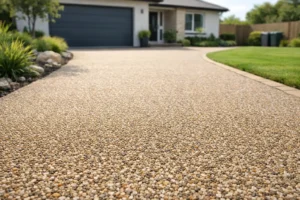
Resin bound surfacing is made by mixing decorative aggregate with resin and then trowelling it onto a suitable base to create a smooth, stone-rich finish. Because the stones are fully coated and bound together, the result is a hard-wearing surface with a natural appearance and a wide choice of colours and blends.
Imprinted concrete, often called pattern imprinted concrete, is poured as concrete and then stamped while wet to create the look of brick, slate, cobbles or stone. It is designed to mimic more expensive paving styles in a single concrete slab, usually finished with a coloured hardener and sealant.
On first glance, both can look like a major upgrade on plain concrete or worn paving. The bigger question is how they perform once the weather turns, cars start turning on the spot, and the surface has had a few years of real use.
Appearance and finish
If visual impact matters, resin bound usually gives you the cleaner and more premium finish. The aggregate creates texture and depth, rather than trying to imitate another material. It looks intentional, not copied. For driveways, courtyards and front paths, that tends to suit both modern and traditional properties.
It also offers more flexibility in design. You can introduce borders, curves, contrasting stone blends and bespoke layouts without the surface looking busy. For clients who want a property to feel smarter and better kept from the street, resin bound often delivers that polished result more naturally.
Imprinted concrete can still look attractive when newly laid, especially on larger areas where a patterned finish suits the setting. The limitation is that it relies on repetition. Some patterns can look dated over time, and if the colour fades or the seal wears unevenly, the decorative effect starts to work against the surface rather than for it.
Drainage and standing water
This is one of the most important practical differences.
Resin bound surfacing is permeable when installed correctly over the right base. Water drains through the surface rather than sitting on top of it. In Northern Ireland, where rainfall is a constant factor rather than an occasional problem, that is a major advantage. Better drainage helps reduce puddling, surface water build-up and the mess that comes with it.
Imprinted concrete is non-permeable. Water has to run off the surface, which means drainage design matters much more. If the falls are not right, puddles can form. On driveways and patios, standing water is more than an irritation. It can affect appearance, increase slipperiness and highlight any low spots in the slab.
If your existing area already struggles with drainage, resin bound usually offers the more practical answer.
Grip and day-to-day safety
A surface has to look good on a bright day, but it also needs to feel safe in wet conditions.
Resin bound generally performs well for slip resistance because of the texture within the aggregate finish. It gives underfoot grip without feeling rough or awkward to walk on. That makes it a strong option for paths, patios, steps and access areas as well as driveways.
Imprinted concrete can become slippery, particularly if the sealant wears poorly or algae begins to build up on the surface. That does not mean every imprinted concrete driveway is unsafe, but it does mean cleaning and resealing become more important if you want to maintain grip and appearance.
For households with children, older residents or regular foot traffic, that extra reassurance matters.
Cracking, movement and long-term performance
Concrete cracks. Sometimes the cracks are minor and controlled. Sometimes they are not. That is one of the realities of imprinted concrete. Because it is laid as a slab, any movement in the base or stress in the surface can show up visibly. Expansion joints help, but they do not remove the risk.
Once cracking appears in imprinted concrete, it is difficult to disguise properly. Repairs rarely blend in perfectly with the surrounding pattern and colour. A patch can end up drawing more attention than the original issue.
Resin bound is not indestructible, and the quality of the base remains critical, but it tends to avoid that stamped-slab problem. When laid over a suitable stable base, it offers a durable finish that copes well with normal domestic traffic. It is especially appealing to homeowners who want a surface that ages neatly rather than one that can develop obvious visual faults.
This is where specialist installation matters. The material itself is only part of the job. Base preparation, edging, drainage and finishing are what separate a surface that lasts from one that starts to fail early.
Maintenance and cleaning
Most people replacing a driveway or patio want less maintenance, not another chore.
Resin bound is low maintenance and straightforward to keep tidy. Regular sweeping and the occasional wash usually go a long way. Because the finish is smooth and there are no loose joints, it is less inviting for weeds than block paving. Dirt does not disappear entirely, but it tends to be easier to manage.
Imprinted concrete needs more attention over time. To keep its finish looking right, it normally requires resealing at intervals. If that maintenance is missed, the colour can dull and the surface can become more vulnerable to staining, wear and algae growth. Small faults can also become more noticeable because the pattern depends on a consistent decorative finish.
If you want a surface that keeps its smart appearance with less intervention, resin bound usually comes out ahead.
Cost: what are you really paying for?
Cost always matters, but headline price alone can be misleading.
Imprinted concrete can sometimes look attractive on initial cost, especially on larger areas where a stamped slab appears to offer a lot of coverage quickly. That said, lower upfront pricing can lose its appeal if the surface needs resealing, develops cracks or starts to look tired sooner than expected.
Resin bound may come in higher depending on the specification, base condition and design detail, but it often delivers better value over time. You are paying for drainage benefits, a more refined finish, design flexibility and lower ongoing maintenance. For many property owners, that longer-term value is what justifies the investment.
A proper comparison should always look at the full job, not just the surface layer. Base repairs, edging, drainage adjustments and finishing details all affect the final figure.
Which surface suits which project?
If your priority is a decorative driveway or patio with strong kerb appeal, reliable drainage and a high-end finish, resin bound is usually the stronger option. It suits homes where appearance matters, where puddles are already an issue, or where you want a clean, contemporary surface that stays looking sharp with minimal upkeep.
Imprinted concrete may still suit some projects, particularly where the goal is a patterned look and the site conditions are right for a well-laid slab with proper drainage. But it is a choice that demands more acceptance of the material’s limits, especially around cracking, sealing and long-term appearance.
For most domestic exterior upgrades, the conversation tends to move in one direction once the practical differences are laid out clearly. Homeowners are not just buying a surface. They are buying fewer problems, better presentation and a result that still looks the part years later.
Our view on resin bound or imprinted concrete
When clients ask us to compare resin bound or imprinted concrete, the answer is rarely based on trend. It is based on performance. Resin bound offers the better balance of appearance, permeability, comfort underfoot and low-maintenance durability. It is a specialist surfacing system, not a cosmetic shortcut, and that shows in the finished result.
For driveways, patios, pathways and courtyards, a well-installed resin bound surface does more than cover the ground. It upgrades the whole setting. It frames the property properly, handles the weather better and gives you a finish that looks considered rather than copied.
If you are investing in an exterior surface, choose the option that still makes sense after the first winter, not just on the day it is laid.